Лаковые туфли с чем носить мужчине: С чем носить мужские лаковые туфли?
С чем носить мужские лаковые туфли?
Мечтаете быть самым стильным на вечеринке? Вам по нраву выделятся из толпы? Смело надевайте лаковые туфли. Как правильно носить эту элегантную мужскую обувь расскажем ниже.
Когда носить мужские лаковые туфли?
Оригинальность и лаконичность – вот главные качества этих простых и в то же время очень стильных лаковых ботинок. Обычно их производят из хромовой кожи либо высококачественного заменителя. Особое изящество изделию придаёт специальное защитное покрытие на основе полиуретана.
Правильный уход – залог шикарного блеска и прочности туфель. Но необыкновенная привлекательность может вмиг исчезнуть в условиях погодных перепадов:
- в летнюю жару свыше +250 С покрытие из лака может растрескиваться и заламываться;
- в зимние морозы ниже — 100 С – лак становится хрупким.
Важно! Носить лаковые ботинки повседневно нельзя! В них ноги не «дышат» и могут отекать.
Тем не менее всегда яркие и жизнеутверждающие – они пользуются большим спросом у модников.
Как выбрать цвет туфель?
Чтобы всегда быть на высоте, мужчине нужно научиться правильно комбинировать туфли и брючный костюм. Причём сыграть можно как на однотонности, так и на резком контрасте.
Стилисты советуют:
- с чёрными брюками лучше носить с ботинками чёрного, тёмного коричневого либо бордового цвета;
- с серыми – чёрные, бордовые, тёмные коричневые;
- с коричневыми – все его оттенки, а также чёрные и светлые в коричневом тоне;
- с тёмно-синими – чёрные, бордовые, тёмные и светло-коричневые;
- с брюками в коричневых и зелёных полутонах – чёрные и во всевозможных коричневых оттенках.
Мужской дресс-код во многом определяет цветовую гамму обуви. Классика делового стиля придерживается чёрных тонов. Некоторую раскованность образу придаёт благородный коричневый, неформальная подоплёка – бордовый и бежевый.
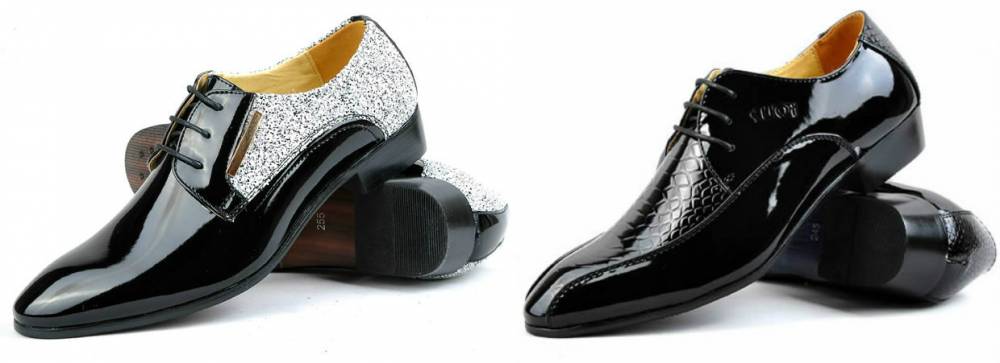
Современная мода даёт простор индивидуальности, и не терпит безоговорочной строгости дресс-кода. Стремитесь поразить всех наповал? Не бойтесь быть экстравагантными! Идите в обход любых постулатов.
Виды лакированных туфель
Лаковая мужская обувь выпускается многими модными домами мира. Дизайнеры выгодно играют цветами и фактурными различиями материала изготовления ботинок. Их с удовольствием носят многие, что называется «и в пир, и в мир». Существует несколько разновидностей этих стильных мужских туфель.
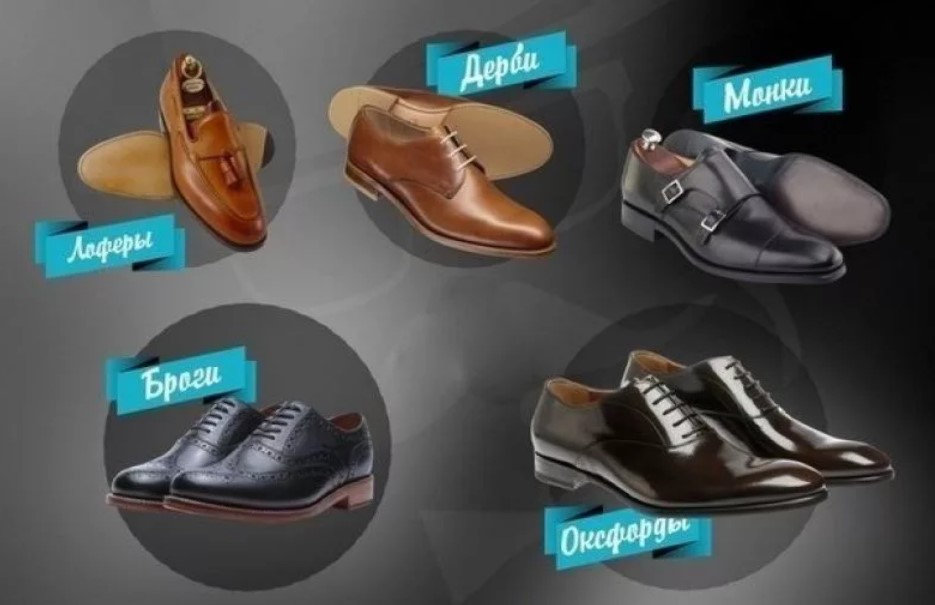
Оксфорды
Отличаются строгостью и классицизмом. Благодаря плотной шнуровке и подошве из кожи, смотрятся по-деловому. С давних пор эту модель предпочитала оксфордская молодёжь.
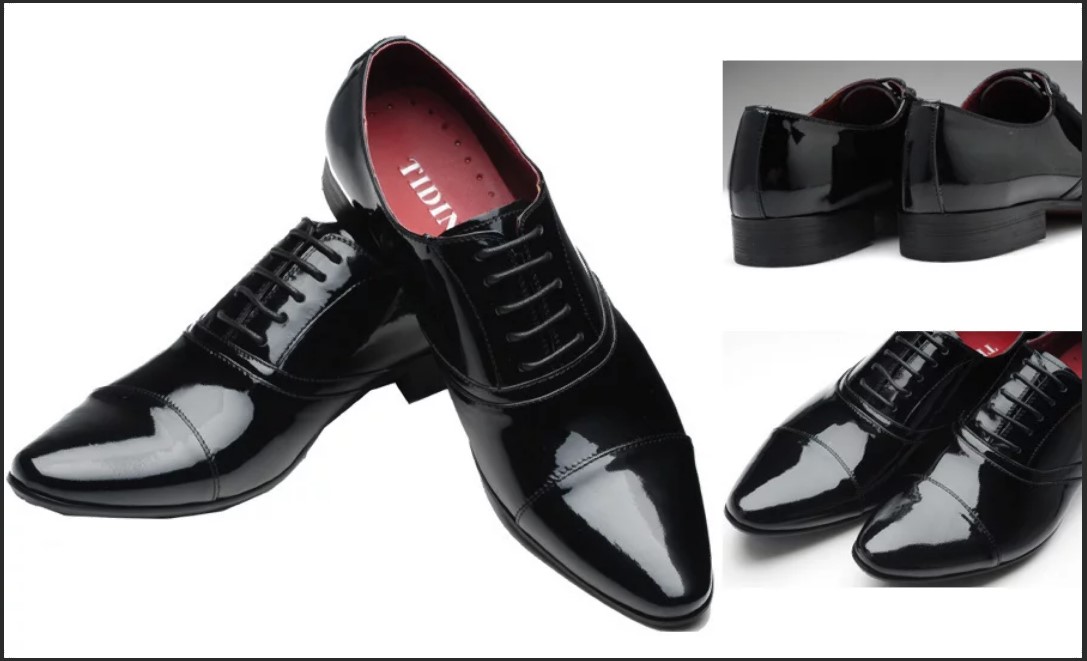
На заметку! Ноги в них не потеют, т. к. материал изготовления изначально перфорирован мелкими отверстиями.
Известно множество их подвидов из «лака» для деловых встреч и замши – для повседневности.
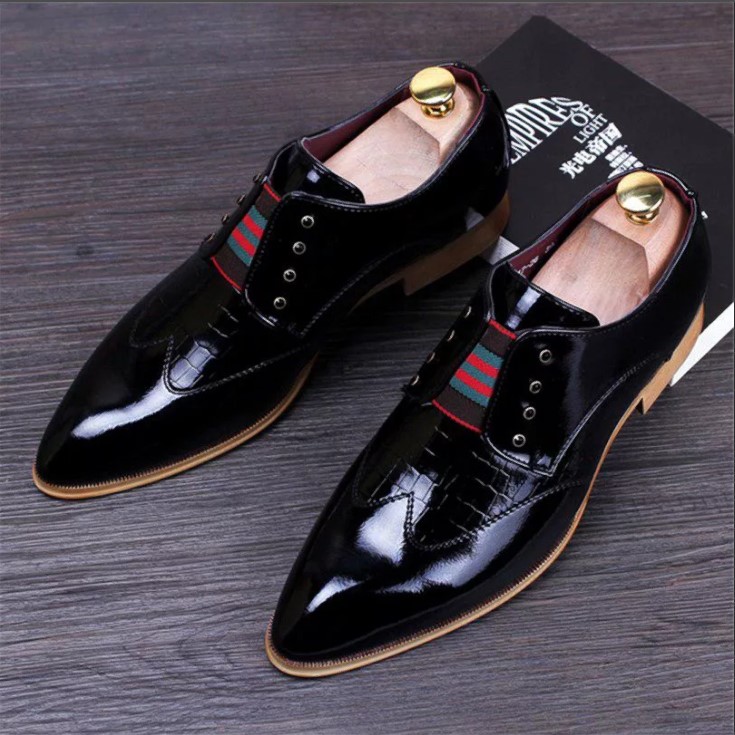
Броги
Шьют из кожи гладкой фактуры. Особую элегантность придаёт открытый мыс в виде английской W и перфорированный узор всей поверхности, либо какой-то определённой части.
Необыкновенная «изюминка» туфель – игра на двухцветном контрасте: чёрное/белое, белое/бардовое.
Можно носить с деловым костюмом при условии малого декорирования.
Отличное сочетание:
- прямые брюки;
- джинсы и уличный кэжуал, как дополнение к массивной подошве из резины.
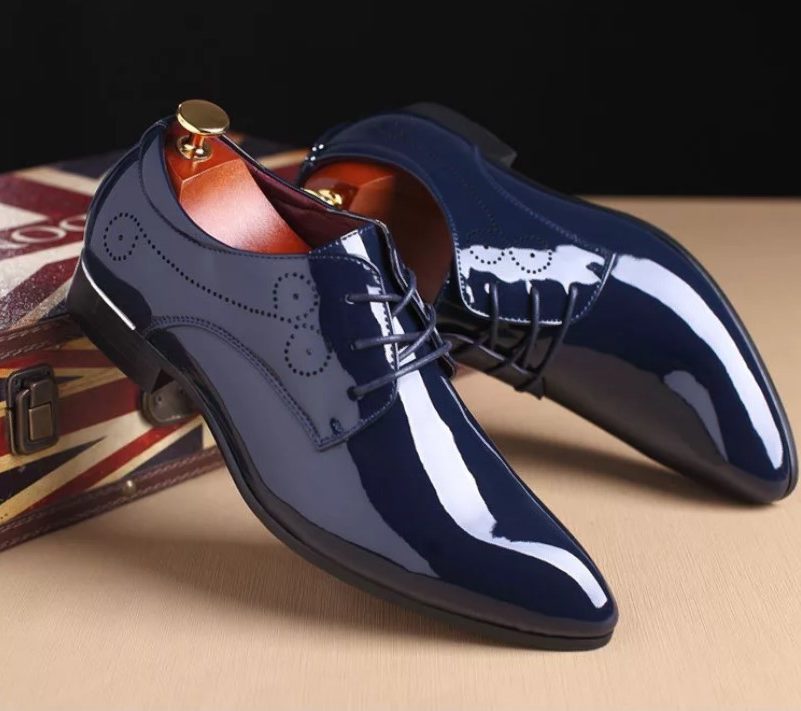
Дерби
Сложно подобрать туфли из-за высокого подъёма ноги? Открытая шнуровка этих ботинок вам в помощь. Эти «универсалы» отлично смотрятся на фоне джинсов и популярной «классики». Дерби разных фактур, с подошвой из полиуретана или кожи, перфорированные и нет, они незаменимы в мужском гардеробе.
Монки
Слегка завышены. В качестве застёжки обычно используется пара небольших пряжек, хотя их назначение скорее декоративное. Эта модель не предполагает наличие носков, её легко надеть и снять. Лаковые отлично сочетаются с деловой, а замшевые – с повседневной одеждой.
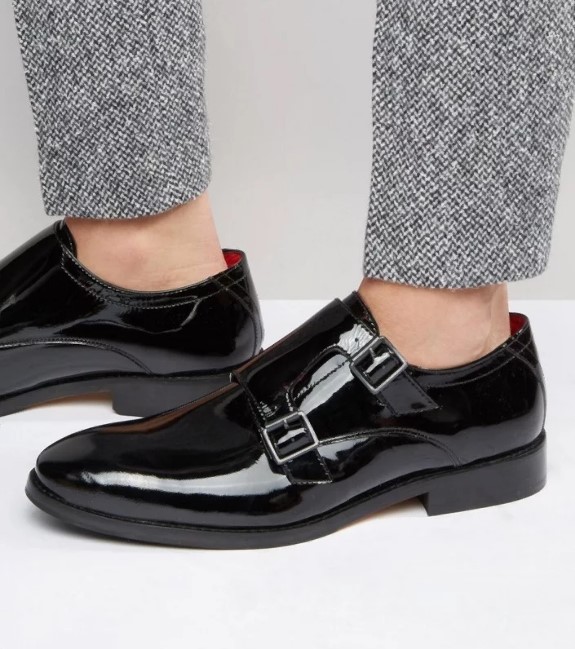
Бывают с одним или двумя ремешками. Двухремешковые носят с джинсами и классическими брюками.
Важно! Чтобы не цепляться за пряжки, мужчинам лучше использовать зауженные штаны, которые легко убрать внутрь «ушек».
Лоферы
Это лёгкий и удобный прогулочный вариант. Но при минимальном декоре вполне удачно сочетается с костюмом делового кроя.
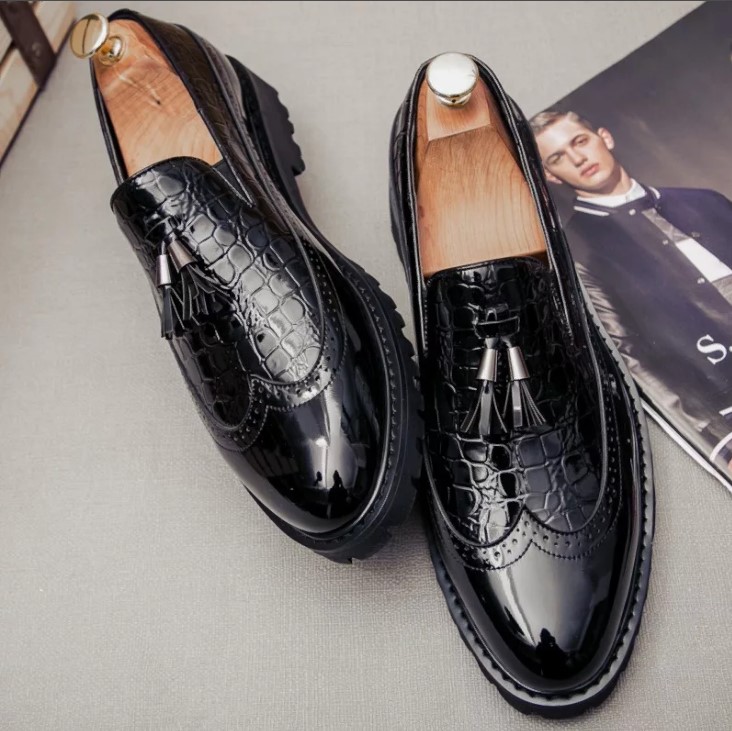
Удачный мужской образ: стильный клетчатый костюм + лоферы, украшенные кисточками.
Мокасины
Первоначальное назначение мокасин для мужчин, они практичны и универсальны. Своим появлением в свете туфли обязаны североамериканским модникам и известному дизайнеру Мостиле.
Обязательный атрибут – грубый шов, соединяющий основную часть с язычком. Ботинки зачастую декорированы различными кисточками, бахромой, всевозможными перемычками и пряжками.

На заметку! Для официальных мероприятий используют белые либо чёрные лаковые модели с устойчивым каблуком.
Всем остальным мужчинам можно смело надевать в комплекте с джинсовыми или льняными удлинёнными шортами.
Летом мокасины носят, не надевая носков. В противном случае этот атрибут должен соответствовать цвету брюк.
С чем не рекомендуют носить лаковую обувь?
Законодатели мод говорят категорическое «нет» джинсам и «лаку». Неповторимая роскошь лакированных ботинок – абсолютная прерогатива деловой одежды.
Важно! Комплект модного денима и лаковых туфель – самая большая нелепость, которую может себе позволить разве что мужчина, полностью лишённый вкуса.
Лаковые туфли удачно вписываются не только в образ делового мужчины, но и завзятого «стиляги». Главное, правильно выбрать нужную модель и цветовую гамму. Тогда вы везде будете безупречны и оригинальны.
с чем носить и как ухаживать?
Обувь – это базовый элемент мужского гардероба, который может быть представлен в разных стилях и моделях. Специалисты советуют иметь в своем гардеробе каждому мужчине несколько пар обуви разных стилей согласно разным обстоятельствам и мероприятиям. Но наибольшим спросом среди сильной половин общества пользуются классическая обувь, например, мужские лакированные туфли.
Кожа – это самый популярный материал для производства мужской обуви, она может быть матовой или лаковой, в зависимости от методов обработки. Чтобы получить лаковую обувь, производители покрывают обычную кожу полиуретановой смолой. Внешне кожа выглядит сияющей и светоотражающей, она может быть мягкой или твердой. Особенно важно мужчине знать правила ухода за такой обувью.

Содержание материала:
Свойства лакированных туфель
Чтобы определиться, насколько уместна и целесообразна лаковая обувь в образе мужчины, прежде всего, стоит ознакомиться с ее преимуществами и особенностями. Во всем мире эту обувь используют зачастую для торжественных и праздничных мероприятий, благодаря туфлям мужчины подчеркивают свой статус, состоятельность и чувство стиля. А стилисты советуют лакированные туфли для делового образа или же для вечернего стиляги.
Для справки! Впервые лакированную обувь подарил миру американец Сет Бойден еще в 1818 году.
К свойствам лакированной обуви стоит отнести следующие показатели:
- использование хромовой кожи;
- покрытие кожи слоем с применением полиуретановых смол;
- внешняя привлекательность и нарядность обуви;
- лак не переносит жару выше 25 градусов, из-за чего может заламываться и трескаться;
- лак не переносит мороз ниже 10 градусов, который делает лаковый слой хрупким.
Иногда лаковая область приводит к отечности ног из-за недостаточной вентиляции ног, вследствие этого стилисты не советуют использовать эту обувь для повседневной носки. А вот для особого случая эти туфли придутся как никогда кстати.

Преимущества лакированной обуви?
Чтобы мужчина понимал, насколько уместны в той или иной обстановке лаковые туфли, нужно отдельно ознакомиться с их преимуществами. Стилисты и дизайнеры называют несколько неоспоримых плюсов обуви с лаковым покрытием, а именно:
- кожа у таких туфель хорошо тянется, принимая форму ноги;
- после снятие обуви с ног кожа быстро восстанавливает прежнюю форму;
- лаковое покрытие устойчиво к царапинам и трещинам;
- если обеспечить обуви правильный уход, она будет устойчива к загрязнениям;
- лаковое покрытие выдерживает жару и холод.
Кроме того обувь с лаковым покрытием смотрится всегда нарядно и торжественно, долгое время сохраняет свою новизну и первозданную форму. В производстве такой обуви используют разные оттенки под все случаи жизни, даже наносят поверх лака принты и рисунки, чтобы туфли выглядели модно и современно.

Мнение эксперта
Элен Голдман
Мужский стилист-имиджмейкер
В последние годы модная индустрия диктует новые правила выбора одежды и обуви, обучая мужчин выглядеть презентабельно и стильно. Если раньше лакированные туфли представлялись исключительно в классическом формате для официальных мероприятий, сегодня лакированные могут быть практически все виды туфлей разных стилей.
Модели лакированных туфель и с чем их носить
Раньше мужские лакированные туфли изготавливались исключительно для праздничных и деловых мероприятий, соответственно в классическом исполнении. В остальное же время они пылились на полке, ожидая нового торжественного случая. Сегодня в моде все яркое и привлекающее внимание, а мужчины предпочитают такой обувью демонстрировать свой стиль и статус. Поэтому стилисты предлагают вниманию сразу несколько моделей лакированных туфлей для сильной половины общества.
Оксфорд
Это лаковые туфли на шнуровке в строгом классическом исполнении, которые изначально носили студенты Оксфордского университета. Смотрятся они стильно, современно и официально, а сама кожа, из которой производят обувь, предполагает специальную отделку в виде мелких отверстий для достаточной вентиляции конечностей. На сегодняшний день предлагается множество подвидов туфлей оксфорд, например:
- Спектатор;
- Сэддл;
- Вингтип;
- Балморал;
- Кэптое;
- Квотерброги;
- Аделаид;
- Плейнтое;
- Панчкэп;
- Холкат.
Носить такие туфли можно исключительно с деловым брючным костюмом, если это лакированная кожаная обувь. Оксфорды из замши можно носить с шерстяными брюками и нарядами повседневного стиля.

Броги
Из модели оксфордов произошли туфли для мужчин броги из гладкой кожи с отрезным мысом, благодаря чему они смотрятся весьма элегантно. Туфли отличаются прочностью, а узорчатая перфорация и W-образный нос отличают эти туфли от оксфордов. Причем перфорация может наблюдаться как на всей поверхности туфлей, так и на передней их части.
Еще одним отличительным критерием туфлей брогов считается контрастность двух цветов, благодаря которой подчеркивается специфичность и яркость образа. Если мужчина одет в классический костюм, ему стоит присмотреть броги темного оттенка без декорирующих элементов. А под повседневный наряд или джинсы надевают массивные модели или броги на прорезиненной подошве. Стилисты различают броги, полуброги и четвертные броги.

Дерби
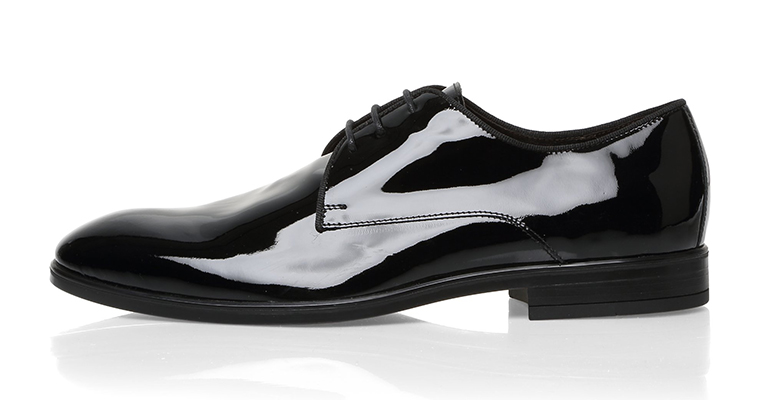
Идеальная обувь для мужчин с высоким подъемом ноги – туфли дерби с открытой шнуровкой. Здесь предусмотрена и сама основа из кожи, и подошва из этого же материала, реже бывает из полиуретана. В отличие от предыдущих моделей, туфли дерби не носят классического официального подтекста, поэтому их можно носить и с классическим костюмом, и с джинсами и повседневным нарядами.
Туфли дерби отличаются сдержанным дизайном без принтов и декора, они могут быть из кожи разных способов обработки, а также из замши и нубука. Стилисты рассматривают внутреннюю классификацию туфель дерби – классическая модель, а также броги с перфорацией или отрезанным носом. Первая модель подходит для официального и повседневного ношения, вторые предпочитает молодежь и стиляги, третью модель носят повсеместно в стиле кэжуал.
Монки
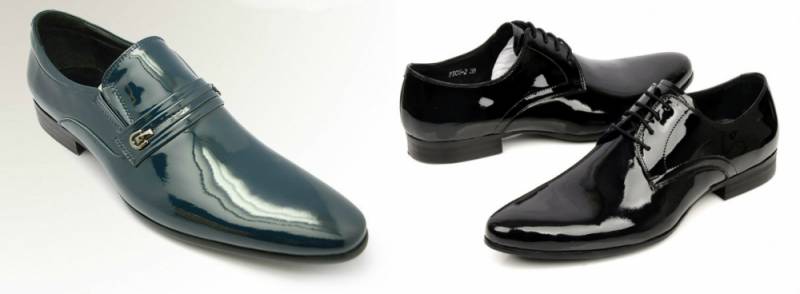
Классная модель, которая смотрится необычно и брутально – туфли монки, отличительными показателями которых считаются удлиненная форма, отсутствие шнурков, а также одна или две маленькие пряжки. Монки обычно изготавливают из натуральной кожи или замши, нередко встречаются модели с лакированным покрытием. Благодаря отсутствию шнуровки туфли просты в пошиве и носке.
Монки делятся на две разновидности:
- double monk strap shoes – туфли с двумя пряжками;
- monk strap shoes – туфли с одним ремешком.
Носите ли Вы монки?
ДаНет
Стилисты советуют использовать такую обувь в повседневном или же официальном стиле, их даже можно носить без носков. Если присутствует две пряжки, монки универсальны в плане комбинации с одеждой, их даже надевают под джинсы. Оригинально будут смотреться брюки зауженного фасона, которые не будут цепляться за пряжки. Если монки лакированные и гладкие, их лучше носить со строгим образом, а замшевая модель пойдет под неформальный стиль.
Лоферы
Если рассматривать неофициальные модели туфель для мужчин, среди них лидером по популярности считаются лоферы. Удобные и практичные туфли могут быть выполнены из кожи, кожи с лакированным покрытием или замши. Несмотря на свою неформальность, сегодня лоферы надевают и под классический костюм, но только при условии отсутствия или минимум декоративных элементов.
Существует несколько подвидов лоферов:
- классические лоферы;
- пени-лоферы.
Если рассматривать популярные модели лоферов с кисточками, их рекомендуют носить с блейзером или костюмом клетчатого принта. В остальном же лоферы универсальны, их можно носить вместе с разными фасонами брюк, а также с джинсами.

Как носить и ухаживать за лакированными туфлями?
Особое внимание мужчине нужно уделить вопросу, с чем носить лакированные туфли, чтобы выглядеть стильно и модно. Если это лакированные оксфорды или броги в темных тонах, они будут смотреться гармонично с классическим строгим костюмом. Неординарные мужские белые лакированные туфли уместны в свадебном образе жениха, как и другие модели туфель в светлой расцветке.
Рассматривая туфли дерби, их можно носить и с классическими брюками, и с модными джинсами. Лоферы лакированного дизайна подойдут для летнего образа, их носят без носков, если это неформальный стиль. Их можно обувать вместе с шортами, блейзерами и джинсами, а также в клетчатом ансамбле предметов гардероба. Особое внимание стоит уделить и тому, как правильно носить обувь с лакированным покрытием, чтобы сохранить целостность и первозданную форму.
Специалисты выделяют несколько важных пунктов в носке лакированных туфлей:
- Сначала нужно расстегнуть все застежки, после чего надеть туфли с помощью рожка.
- Не стоит обувать такие туфли в сильную жару или мороз, только умеренный климат сохранит целостность покрытия.
- Если туфли натирают ноги, их нужно натереть спиртовым раствором (треть стакана спирта и остальное вода), после чего туфли надевают на толстые носки. А можно прибегнуть к услуге растяжки обуви в обувной мастерской.
- Лакированная обувь должна храниться в сухом и теплом помещении, а можно использовать упаковку с вентиляцией.
Важно! Лакированные туфли ни в коем случае не должны соприкасаться, чтобы не оставить царапин и других повреждений верхнего слоя.
Специалисты называют несколько важных пунктов касаемо ухода за лакированными мужскими туфлями. Хранить лаковые туфли нужно следующим образом:
- мужчине нужно использовать средства по уходу за обувью на водной основе, благодаря которым кожа смягчается и делает верхний слой блестящим обновленным;
- после выхода на улицу туфли нужно осмотреть на наличие пыли, протерев влажной салфеткой, отказавшись от использования щетки;
- если туфли в грязи, их нужно промыть мыльной водой, протерев мягкой тканью насухо;
- каждый месяц лаковое покрытие нужно смазывать вазелином, растительным или касторовым маслом на 20 минут, после чего снимая маску ватным тампоном или тканью;
- сделать туфли блестящими поможет яичный белок или срез лука, которыми нужно натереть туфли, оставить на 20 минут, после чего натереть до блеска тканью;
- вернуть туфлям яркий цвет поможет нашатырный спирт, смешанный с мыльным раствором.
Ни в коем случае нельзя сушить лаковые туфли около обогревателей, это испортит целостность кожи и слоя лака. После чистки внутрь туфель нужно положить газету. Стилисты не рекомендуют экономить на такой обуви, предпочитая кожу лучшего качества. Каждый стиляга найдет для себя идеальную модель туфель в силу большого разнообразия моделей.
Вывод
По обуви оценивают социальный статус, положение и стиль мужчины, особенно внимательны к мужской обуви женщины. Особой популярностью сегодня пользуются лакированные туфли, которые смотрятся элегантно, ярко и празднично. В силу большого разнообразия моделей, лакированные туфли сегодня носят мужчины всех возрастов и в формальном, и в неформальном стиле.
Рейтинг автора
5
Автор статьи
Мужский стилист-имиджмейкер
Написано статей
29
 Загрузка…

Лакированные мужские туфли – это универсальный вариант, вписывающийся и в деловой стиль, и в вечерний образ. Правильный выбор фасона, цветовой гаммы и размера позволяет мужчинам выглядеть элегантно. Подобная обувь всегда будет в моде. Для ее производства применяются качественные материалы, обеспечивающие продолжительную носку.
Особенности, преимущества и недостатки
Декор лакированных туфель простой и лаконичный. В дизайне используют простроченные швы и тиснение. Туфли известных марок комбинируют в себе контрастные фактуры и оттенки.
Наибольшей популярностью пользуется лакированная обувь черной и белой расцветок. Туфлями в классическом стиле можно дополнить свадебный наряд или деловой образ.


Для производства такой обуви применяют хромовую кожу, покрывая ее полиуретановыми смолами. Этот слой выполняет защитную функцию, придает обуви шикарный вид и блеск, повышает прочность.
Если правильно ухаживать за туфлями с лакировкой, они долго сохраняют презентабельный вид.
Перед их покупкой нужно проанализировать основные плюсы. Главные из них – это:
- способность подстраиваться под форму конечности за счет того, что кожа отлично тянется;
- стойкость лакового покрытия к царапинам и другим дефектам;
- быстрое восстановление формы после снятия с ноги;
- стойкость к загрязнениям при условии правильного ухода;
- способность переносить перепады температур.


Лакированная обувь выглядит нарядно, продолжительное время сохраняет первоначальную форму. Она выпускается в разных цветовых вариантах. Лакировку украшают разнообразными узорами, что придает изделиям модный вид.
Минусов у таких туфель почти нет, разве что цена – приобретение качественной обуви потребует определенных затрат.
Разновидности
Выделяют несколько разновидностей лаковых мужских туфель:
- оксфорд;
- броги;
- дерби;
- монки;
- лоферы.
Оксфорд – это классическая обувь, обладающая строгим дизайном. Ее главными особенностями являются закрытая шнуровка и кожаная подошва. В такой обуви щеголяли студенты из Оксфордского университета.
Применяемая для пошива туфель кожа может обладать специальным декором, представляющим собой небольшие отверстия, что обеспечивает хорошую вентиляцию ног.
Существует несколько видов оксфордов, лакированные модели отлично вписываются в деловой стиль.

Броги представляют собой туфли с заостренным мыском. Для их изготовления применяют гладкую кожу, придающую им прочность и эластичность. Оригинальный вид туфлям придает узорчатая перфорация и нос, напоминающий буку W. Эти детали и отличают броги от оксфордов.
Перфорация может быть как полной, по всей площади обуви, так и частичной. При создании таких моделей нередко используют 2 контрастных цвета, например, черный и белый или белоснежный с бордовым. Подобные комбинации придают образу специфичность. Темные броги хорошо дополняют деловой стиль. Гармонируют они и с широкими брюками.
Туфли на резиновой подошве сочетают с джинсами – это отличный вариант для уличного стиля.


Отличительная черта дерби – открытая шнуровка. Подошву туфель, которые считаются универсальными, делают из кожи или полиуретана. Обувь такого типа отлично уживается с брюками в классическом стиле и с джинсами. Дерби отличаются фактурой и цветовой гаммой. В продаже можно встретить варианты с перфорацией и обычные.
Монки – это удлиненная обувь без шнурков. Ее особенность состоит в наличии небольших пряжек, выполняющих декоративную функцию. Шьют монки из натуральной кожи, они гармонируют с повседневным и деловым стилями. Их носят как с носками, так и без. Стильные монки уместно смотрятся в паре с классическими брюками и с джинсами. Модели с пряжками лучше всего носить с зауженными штанами, чтобы был виден декор.
Лоферы представляют собой неофициальную обувь, хотя при желании их можно комбинировать с деловыми костюмами. Туфли с кисточками прекрасно смотрятся в комплекте с клетчатым блейзером.
Модные цвета
Чтобы избежать нелепости в образе, в котором присутствуют лаковые туфли, следует правильно выбрать цвет верхней части. Колер обуви подбирают к конкретной модели и цветовой гамме брюк.


Комбинация оттенков может быть идентичной или создавать контраст. В собирательных образах могут присутствовать различные полутона.
Цвет обуви во многом зависит от дресс-кода. Лаконично смотрятся черные туфли, неформальность в образе можно подчеркнуть при помощи бордовых и бежевых оттенков.
Модные тенденции не лишают возможностей для самовыражения, исключают строгую привязку к дресс-коду. Если есть желание создать экстравагантный образ, можно проигнорировать правила. Мужчины, не боящиеся экспериментов, отдают предпочтение красным и зеленым туфлям. А консерваторы – черной и белой обуви.


Как выбрать?
Критерии выбора лакированных моделей мужских туфель такие же, как и для другой обуви. Основные параметры – это:
- размер;
- соответствие создаваемому образу;
- качество;
- стоимость.
Если финансовые возможности позволяют, отдавайте предпочтение обуви известных производителей. Дешевые туфли вряд ли долго прослужат. Они должны идеально соотноситься с размером ноги.
При выборе туфель во внимание следует принимать еще и образ жизни. Для офиса – это отличный вариант, а вот для отдыха на природе стоит поискать другую обувь.
С чем носить?
Туфли с лакированным покрытием подходят как к официальному, так и к непринужденному образу. Основным материалом их производства служит высококачественная кожа. Подобная обувь нуждается в хорошем уходе и аккуратной носке.

Широкий модельный ряд удовлетворит требования самого взыскательного модника. Коричневый оттенок прекрасно впишется в деловой стиль, а комбинированные и светлые варианты послужат дополнением неформального образа.
Лакированные туфли делают образ строгим и элегантным. С деловым стилем отлично сочетаются темные броги и оксфорды. Светлая обувь идеально дополняет свадебные костюмы.
Дерби хорошо уживаются с брюками в классическом стиле и джинсами.


Лоферы рекомендуется носить с летней одеждой, желательно без носков – это элемент неформального стиля. Подобные туфли подходят к джинсам и блейзерам, уместны они и в клетчатых ансамблях.
Немаловажным критерием имиджа является обувь, которая подчеркивает стиль и статус любого человека. Мужская обувь играет важную роль в создании мужского образа, акцентирует стиль и вкусовые предпочтения. Современная мода предлагает множество моделей обуви разных форм и конфигураций. Мировые производители ежегодно обновляют ассортимент, предлагая новые мужские лакированные туфли. Выбор обувной продукции зависит только от личных побуждений, поскольку независимо от имени бренда вся обувь отвечает стандартам качества и имеет высокие показатели.

Итальянские мужские туфли считаются самыми популярными и это не случайно, ведь история развития обувных мануфактур насчитывает не одно десятилетие. Европейские производители применяют промышленное оборудование, огромные площади и в тоже время используется ручной труд. Именно это создает особое очарование и шарм итальянских моделей. Причем качество обуви известных брендов на самом высоком уровне. Это комфортные, элегантные мужские лакированные туфли с оригинальным дизайном. Сегодня для приобретения обуви известных брендов не обязательно отправляться за рубеж. Достаточно сделать онлайн – заявку и получить товар по почте. Причем, оплата производится только после примерки. Это очень важно для людей с проблемой подбора размера. Зарубежные производители учитывают физиологические особенности строения ног, поэтому вся обувная продукция обладает практичностью и необычайным комфортом.

Особым изыском обладает лакированная обувь. Ее уникальность заключается в яркости, глянцевом блеске и привлекательности. Стильные мужские лакированные туфли подойдут на праздничное событие или деловую встречу. Если не требуется дресс — код, то можно надевать лакированную обувь на работу, а также презентации или вечерние прогулки. Гармонично сочетаются туфли, покрытые лаком, с любой нарядной одеждой. Особенно красиво смотрятся черные лакированные туфли с деловым костюмом черного цвета или темного оттенка. Лакированные белые туфли как нельзя лучше подойдут для свадьбы и праздничных событий. Однако можно надевать мужские лакированные туфли с джинсами, это будет выглядеть авангардно и модно.


Виды лакированных туфлей:
- Дерби.
- Броги.
- Оксфорды.
- Монки.
- Мокасины.

Такая обувь хорошо сочетается с жакетом и брюками. Для костюма лучше подбирать модели с каблуком.
Рынок предлагает туфли разных цветов и материалов. Экстравагантно выглядят туфли, выполненные из комбинации материалов – лакированной кожи и замши. Стиль дизайна обуви определяется формой, высотой каблука и элементами декора. При изготовлении мужской обуви используют пряжки, металлические детали, шнурки, замки, камни. Детали акцентируют стиль и подчеркивают назначение обуви. На фото можно увидеть сотни моделей известных торговых марок, предназначенных для повседневной носки, торжественных событий или деловых встреч. При выборе обуви важно сопоставлять элементы гардероба. Главное – гармонично варьировать одежду, обувь и аксессуары по цвету, типу материалов и форме пошива. Лакированная обувь особенно влияет на создание образа и определенного имиджа. С чем носить обувь, решать только вам. Все зависит от вкуса, предпочтений и восприятия мира.

Что касается цены, то лакированные туфли оцениваются наравне с кожаными изделиями. Кожа, покрытая лаком, более ценна и эстетична, долго сохраняет блеск и товарный вид. Стоимость мужской обуви зависит от степени новизны коллекции, категории товара и имени бренда. Цена соответствует качеству, поэтому можно смело приобретать обувь от производителей мирового значения.

Вконтакте
Google+
С чем носить мужские туфли?
Большинство женщин оценивают внешний вид незнакомого мужчины по стильной причёске, кто-то обращает внимание на наличии дорогих часов, а для некоторых важна чистая и модная обувь. Благо, сейчас разнообразие мужских моделей открывает возможность подобрать обувь под любой гардероб. Правильно выбранная обувь создаст стильный деловой лук, покажет окружающим, насколько вы успешны и уверены в себе.
Правила выбора мужских туфель
 Многие мужчины предпочитают туфлям удобные мокасины, кроссовки, кеды. Но хотя бы одна пара туфель должна быть в гардеробе обязательно. При выборе в первую очередь обратите внимание на качество обуви. Оно должно быть безупречным: ровные швы, хороший материал, прочные шнурки.
Дорогие туфли сразу бросаются в глаза и презентуют вас как состоятельного мужчину. В них можно отправиться на бизнес-встречу, деловое мероприятие, на собеседование или светский раут.
Куда бы вы ни отправились, первое впечатление произведёт гардероб. Строгий костюм в дополнение к модным оксфордам или лоферам – это именно то, что нужно успешному и влиятельному мужчине. Если туфли единственные в вашей коллекции обуви, обратите внимание на чёрный цвет. Он уместен при любых обстоятельствах, кроме того, к нему проще подобрать верхнюю одежду.
Имея в наличии обувь угольного оттенка, вы можете выбрать коричневый, тёмно-синий, зелёный, винный цвет. Приобретая кожаные или лакированные туфли, остановите выбор на известных производителях качественной обуви, которая порадует вас не один сезон.
С чем сочетать разные модели?
 Сочетание обуви с одеждой зависит от модели туфель. Даже если классика – это ваш повседневный вариант обуви, надеть такие туфли вы можете и с джинсами. Неплохо они сочетаются с укороченными чиносами или вельветовыми штанами. В качестве верха нужно подобрать рубашку, стильную водолазку или модный джемпер. В летнее время года допустимы футболки-поло и рубашки с коротким рукавом. А вот от маек, бриджей и шорт следует отказаться.
Классические туфли
Классические мужские туфли носят с любыми брюками, деловыми костюмами или джинсами. Они отлично вписываются в ансамбль, предусматривающий фрак. Замшевые и кожаные матовые модели уместно надевать и для повседневной носки, а лаковые туфли предназначены только для праздничного вечера.
Не рекомендуется носить классическую обувь со спортивным костюмом.
Оксфорды
 Мужские оксфорды – это отличное дополнение к тёмному классическому костюму. Чтобы образ не получился мрачным, наденьте белую рубашку, галстук или чёрную бабочку. Оксфорды особо любимы известными и богатыми мужчинами. Они удобные, стильные и невероятно дорогие. Большинство моделей шьются под заказ.
На страницах модных журналов часто попадаются фото голливудских звёзд, одетых в джинсы или другую одежду в стиле casual. Дополняют гардероб модные оксфорды. Не рекомендуем вам данную обувь в качестве повседневной, так как она предназначена именно для особых случаев.
Цветные оксфорды стилисты советуют надевать только с классическим костюмом.
Броги
 Броги шьют из плотной кожи коричневого оттенка, но в качестве разнообразия дизайнеры рекомендуют обратить внимание на чёрные туфли. Броги имеют слегка грубоватый вид, но все же они относятся к туфлям, предназначенным для торжественных случаев. Хотя современные мужчины часто одевают их с джинсами, свободными чиносами, брюками карго. Такой образ теряет аристократичность, но всё же выглядит достаточно стильно.
Соблюдая повседневный стиль, под броги не надевают носки.
Лоферы
 Замшевые лоферы – истинное воплощение стиля smart-casual. Эта лёгкая обувь отлично подходит для тёплого времени года и хорошо сочетается с классическими брюками со стрелками, джинсами, чиносами. Самым подходящим является костюм в свободном стиле: слегка зауженные брюки, закатанные рукава пиджака, отсутствие галстука.
Монки
Стильные монки – удачное дополнение к строгому мужскому костюму. Выглядят они достаточно строго, однако, в отличие от оксфордов, допускают лёгкий повседневный лук. Чаще всего монки представлены в двух оттенках:
- угольно-чёрный;

- тёмно-коричневый.
Не менее удачно монки гармонируют с зауженными брюками, рубашкой поло, стильным кардиганом. Молодые мужчины носят монки с узкими слегка укороченными джинсами.
Выбираем цвет и материал правильно
Большинство моделей мужских туфель выполнены из натуральной кожи или замши. Кожаные пригодны для дождливой погоды. Поэтому выбор необходимо сделать, основываясь на погодных условиях. Обувь из замши выглядит более элегантно, но она требовательна в уходе. Кроме того, замша быстрее изнашивается.
 Чёрная классика никогда не выйдет из моды, она подходит к любому гардеробу. Но, на летний период времени дизайнеры рекомендуют остановить выбор на белых туфлях. Они отлично подойдут к белоснежному классическому костюму.
Как мы уже говорили, классические туфли можно носить с джинсами. Прекрасно дополнит синий цвет обувь насыщенного зелёного оттенка. Эти два колера хорошо ладят между собой. Приятны для взора стильные коричневые туфли, причём колер может быть от тёмного шоколадного до яркого рыжего.
Обувь к джинсам
 Наиболее подходящей парой к модным джинсам являются броги или монки. В сочетании со светлой или яркой рубашкой, пуловером спокойного оттенка, дорогими часами известной марки они составят шикарный ансамбль. Этот лук подходит для повседневной носки и позволяет выглядеть модно и современно.
К классической обуви больше подходят джинсы прямого кроя.
Подпишитесь на наши Социальные сети
Поделиться в соц. сети
Нашли ошибку? Выделите её и нажмите Ctrl + Enter. Мы все исправим!
- Мода
- Бренды
- Для спорта
- Фотогалереи
- Шоппинг
- Аксессуары
- Часы
- Уход
- Волосы
- Фитнес
- Духи
- Персона
- LifeStyle
- Авто/Мото
- Кино
- Кулинария
- Отношения
- Тесты
Поиск

 Сайт для мужчин STYLE4MAN.COM
- Мода
- ВсеБрендыДля спортаФотогалереиШоппинг
 Фотогалереи
Модная мужская коллекция Boss Hugo Boss осень-зима 2020-2021
 Фотогалереи
Модная мужская коллекция Emporio Armani осень-зима 2020-2021
 Фотогалереи
Модная мужская коллекция Bally осень-зима 2020-2021
 Фотогалереи
Модная мужская коллекция Lanvin осень-зима 2020-2021
- ВсеБрендыДля спортаФотогалереиШоппинг
- Аксессуары
- ВсеЧасы
 Аксессуары
Как подобрать модные мужские солнечные очки 2020 – тренды и модели
 Аксессуары
Модные мужские шляпы 2020 – обзор стильных моделей
 Часы
ЧасыРекомендации директора магазина CONSUL по выбору часов для читателей STYLE4MAN.COM
 Часы
ЧасыМодные мужские часы 2020 – самые популярные тренды и модели
- ВсеЧасы
- Уход
- ВсеВолосыФитнес

- ВсеВолосыФитнес
Французский драматург Марсель Ашар когда-то сказал, что хорошая кровать и удобная обувь – это две самые важные вещи в жизни. Ведь если мы не в первой, то мы во второй. Именно поэтому, выбирая костюм и обувь к нему, важно учитывать не только привлекательность, но и комфорт во время передвижения.
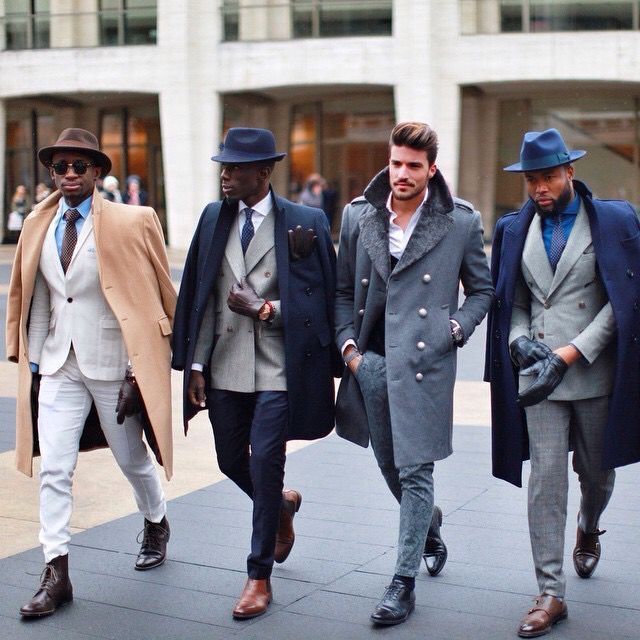
Мужские туфли удачно сочетаются со строгими костюмами, повседневными брюками и поло, а также гармонируют с джинсами, если модель подобрана верно.
В этой статье разберёмся, как правильно сочетать разные виды туфель с образами для мужчины.
@pinterest.com
Удачные образы и сочетания
Встречая человека в первый раз, мы обращаем пристальное внимание на его обувь. Не зря говорят, что парфюм и чистые туфли – залог успеха. Следить и ухаживать за обувью важно в любых обстоятельствах. А ещё нужно грамотно её сочетать с повседневными образами.
Выбор моделей и расцветок мужских туфель сегодня огромен. Фактурные ткани и материалы, необычные оттенки и оригинальный декор – всё это присутствует в туфлях для мужчин.
Замшевые туфли
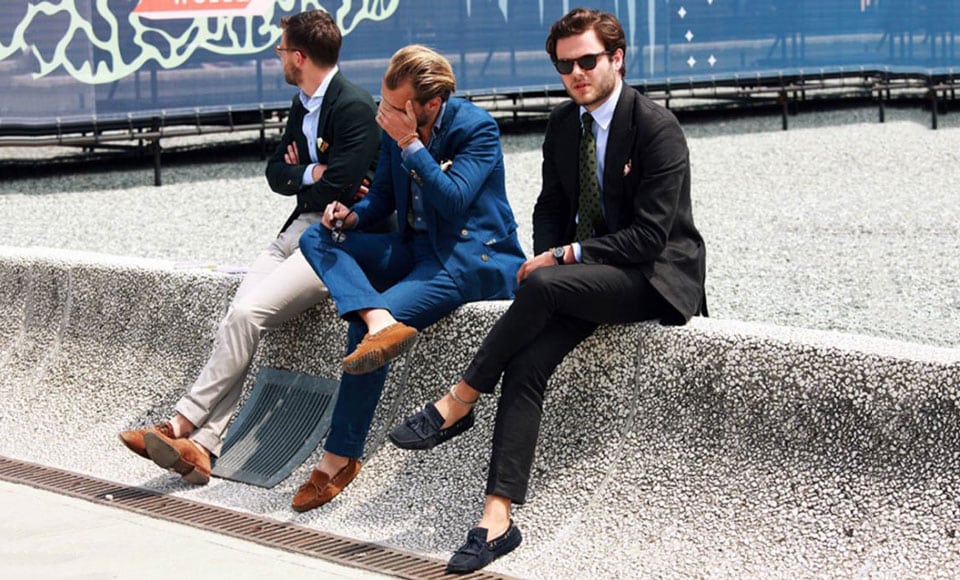
Замша – один из наиболее популярных материалов для пошива обуви. Они смотрятся дорого и элегантно, подходят для ежедневной носки и отлично вписываются в свободный вечерний лук. Также это идеальное сочетание с городскими образами в стиле casual — мужчина выглядит уверенно и элегантно даже в обычных джинсах и свободном пуловере, если добавить к наряду замшевые броги.
@dmarge.com
Белые туфли
На образ с белыми туфлями отважится не каждый мужчина. Но сделав это, можно быть уверенным в своей привлекательности. Они выглядят свежо и оригинально, подходят для летних луков. Стильно смотрятся сочетания с одеждой тёмных цветов: коричневый, чёрный, тёмно-синий. Иногда мужчины отваживаются комбинировать тёмный костюм с белыми туфлями. В этом случае нужна поддержка в виде белоснежной рубашки, к которой подбирают галстук в тон костюму.
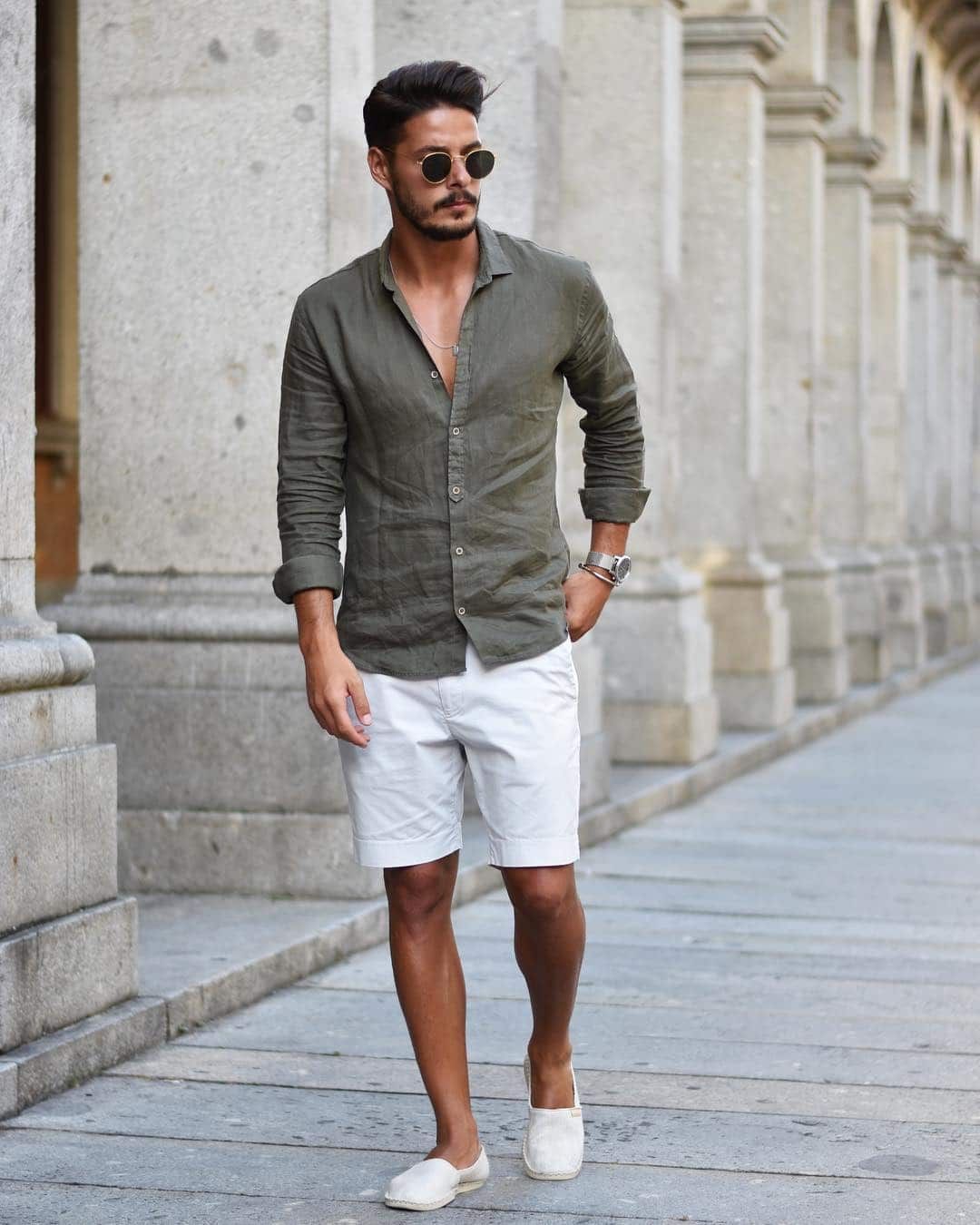
Убеждение, что светлая обувь предназначена только для важных мероприятий — не верное. В городских условиях с простыми джинсами такая обувь смотрится великолепно.
@pinterest.ru
Лакированные туфли
Лаковая кожа привлекает взгляды окружающих и характеризует обладателя обуви как некого франта. Поэтому лаковые туфли (чаще всего это оксфорды) подходят для официальных встреч и вечеринок, а также званых вечеров и деловой обстановки. Их надевают с фраками и строгими пиджаками тёмного цвета. В этом случае действуют законы установленного дресс-кода.
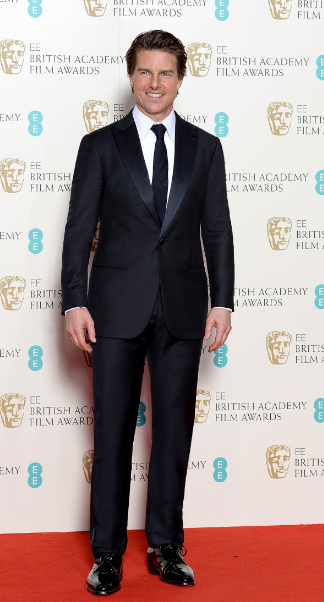
@shilpaahuja.com
Лоферы с кисточкой
Интересная модель, которую не все мужчины понимают. Но настоящие модники не упустят возможности порадовать себя покупкой тёмно-коричневых или чёрных лоферов, украшенных кисточкой или бантиком. Они подойдут для летнего делового образа с тёмными чиносами и светлой рубашкой с коротким рукавом. Также привлекательно их сочетание с деловым костюмом классического кроя.
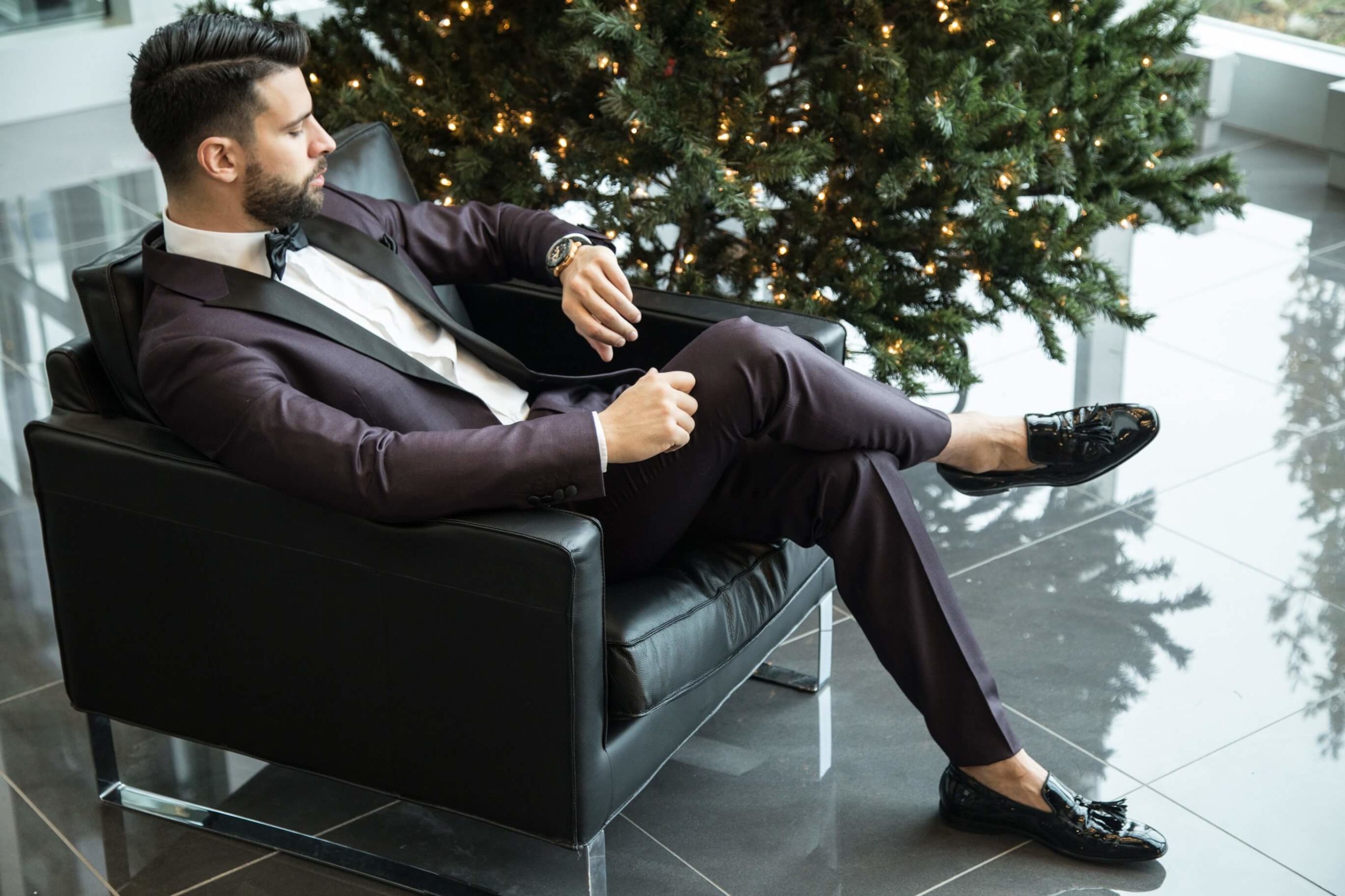
@moderngentlemanmagazine.com
Коричневые туфли
Этот цвет обуви у мужчин наиболее распространён. Часто даже больше, чем чёрный. Их сочетают буквально со всеми образами — и с классическими со строгим костюмом, и расслабленным повседневным с зауженными брюками и лёгкой рубашкой. Хорошо смотрятся лоферы или броги коричневого оттенка с джинсами и рубашкой навыпуск или модным пуловером. Туфли коричневых оттенков носят даже с шортами в летний период.
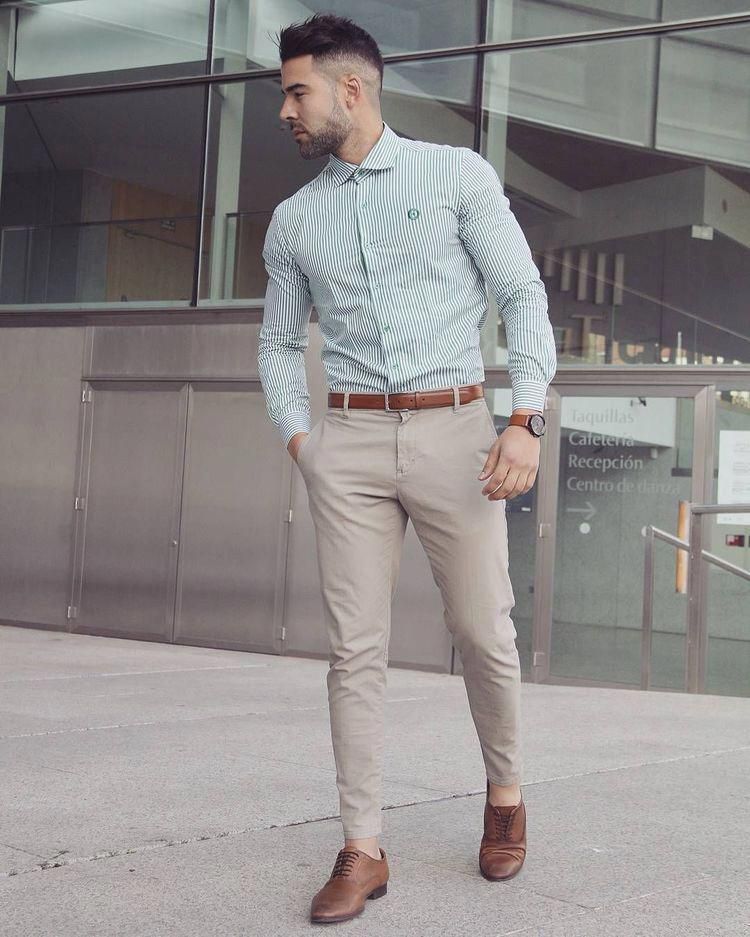
@pinterest.ru
Основные правила сочетания туфель в деловом образе
В классическом представлении деловой мужчина предстаёт перед нами исключительно в чёрном костюме и тёмной обуви, начищенной до блеска. Желательно, чтобы это были оксфорды из натуральной кожи. Но современные тенденции в моде диктуют свои правила. Различные оттенки и необычные для классического стиля цвета вполне уместны и в деловой сфере.
Яркие оттенки вроде зелёного, жёлтого или красного совершенно не подходят деловому человеку. Их лучше оставить для повседневного варианта одежды.
Выбирать обувь лучше, основываясь на цвете костюма:
- К тёмно-синему классическому подойдёт пара из чёрной или коричневой кожи. Сдержанные оксфорды или привлекательные дерби составят отличный тандем с одеждой.
- К серому костюму подойдут чёрные лоферы без декоративных элементов или классические оксфорды на каблуке. Если позволяет дресс-код, можно воспользоваться обувью винного или тёмно-коричневого оттенка.
- Коричневый костюм универсален. Он сочетается с аналогичного цвета обувью или составляет стильный тандем с бордовыми дерби. В таком образе деловой джентльмен смотрится невероятно элегантно.
- Чёрный костюм. Бессмертная классика, которой не стоит изменять ни при каких обстоятельствах – сочетание с чёрными оксфордами. Допускается немного отступить и использовать дерби. Но это единственная вольность, которую можно себе позволить.
В гардеробе практически каждого делового человека найдётся несколько пар добротных туфель. Они отлично сочетаются с костюмами и составляют строгий, собранный лук.
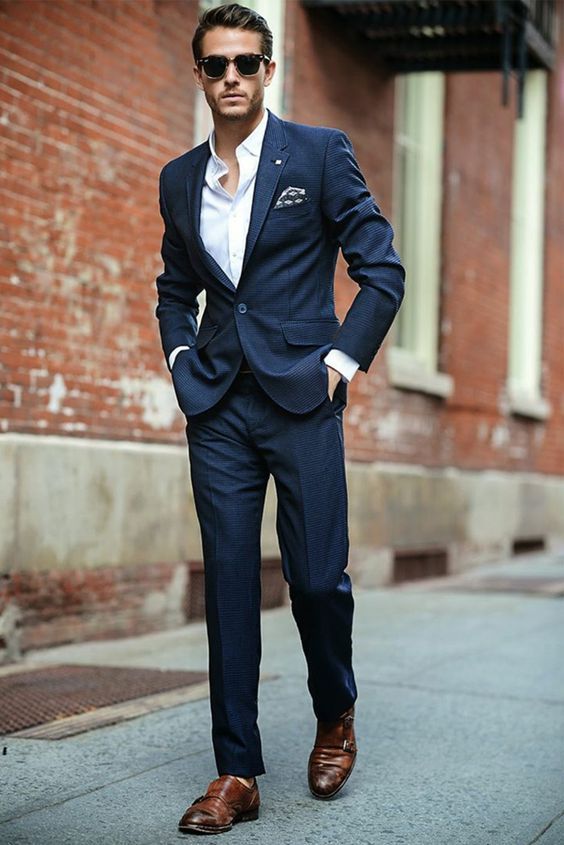
@pinterest.ru
Правила комбинирования туфель с повседневной одеждой
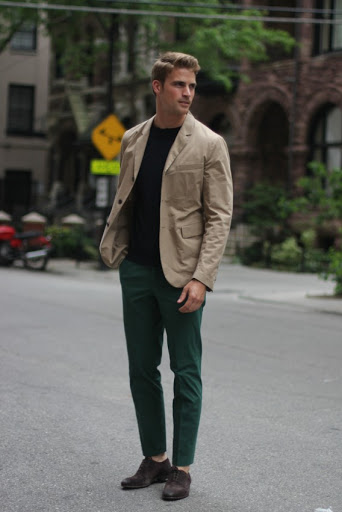
В ежедневных луках, в одежде, не замкнутой в рамки делового дресс-кода, легко выразить свою индивидуальность. Любимые джинсы или свободные брюки – отличное решение для городских условий. В качестве обуви подойдут дерби или броги из кожи или мокасины из замши.
Что касается цвета, здесь применяют не только классические чёрный и коричневый. Мужчине предлагается экспериментировать, выбрав светлые топсайдеры или украсив образ синими мокасинами.
@chicagostreetstyle.com
Составить удачный образ с классическими туфлями не сложно. Зная основные правила делового дресс-кода и обладая малой толикой чувства стиля, обувь будет выбрана идеально. Повседневный или офисный лук получится стильным и привлекательным.
90000 What Should Men Wear to Dance Lessons? 90001 90002 Salsa, Swing and Ballroom Dancing Is a Physical Activity 90003 90004 Partner dancing, whether it be salsa, swing, or ballroom dancing, is a physical activity and should be treated as such. For men, your shoes and clothing are going to be the same across these different dance styles when it comes to attending private dance lessons and group classes. 90005 90004 It’s important to wear lightweight clothing that is comfortable and breathes, so you can easily move and dance around in it without getting too hot.90005 90004 Regarding shoes, it’s best to wear shoes that allow you to slide around easily and securely attach to your foot so they do not come off when you’re dancing. 90005 90002 What Should Men Wear? 90003 90004 The following is an acceptable list of clothes for men to wear for private dance lessons and group classes: 90005 90014 90015 Cotton T-Shirts 90016 90015 Long Sleeve Button Up Dress Shirts 90016 90015 Short Sleeve Button Up Dress Shirts 90016 90015 Polo shirts (Short sleeved shirts with a collar) 90016 90015 Jeans 90016 90015 Slacks / dress pants 90016 90015 Khakis 90016 90015 Shorts, any kind 90016 90015 Light Vests 90016 90015 Light sweaters that are easy to remove 90016 90035 90004 You want to avoid wearing heavy, warm clothes because you’ll get really hot in them when you dance.I suggest layering your clothes so this way you can take them on and off as you warm up and cool down during class. You can wear a light sweater that is easy to remove if you are dancing in the winter. 90005 90004 Depending on the time of year and how easily you get hot, you can wear shorts to your private dance lesson or group class, because the main purpose is to learn and practice. However, if you are going out to a salsa club at night, you should wear long pants. 90005 90002 What About Suits? 90003 90004 You do not need to wear a suit and tie for class, because that’s too formal, plus you’ll get hot wearing a jacket.If you want to be fancy, you can wear a tie, but clip it so it does not fly around while you dance. 90005 90004 Some men like to wear a vest over a long sleeved dress shirt if they want to look more formal, but it’s not necessary, and the extra layer might make you hot. 90005 90002 Can I Wear a Hat? 90003 90004 Generally, it’s better for men not to wear any kind of hats to private dance lessons or group classes because you can accidentally knock it off of your head when you raise your arm to twirl your partner.90005 90004 However, if you really want to wear a hat, I suggest wearing one with a small / narrow brim such as a fedora / cuban hat or a newspaper boy hat. 90005 90002 What Shoes Men Should Wear? 90003 90004 Men should wear flat shoes with a smooth bottom for private dance lessons and group classes. The reason why is because shoes with a smooth bottom make it easy for you to move around when you’re dancing, and will not stick to the floor and give you problems with your feet or ankles. 90005 90004 Most men find it easiest to dance in dress shoes with a small rounded toe and which lace up.Dress shoes with big boxy square toes are kind of clunky and inconvenient for dancing. Slip on shoes can slide off when you’re dancing around, so those are not good either. 90005 90004 If you do not own dress shoes, you can also wear casual shoes, such as sneakers or tennis shoes that have a flat rubber bottom, without any bumps or ridges. 90005 90002 Do I Need to Buy Dance Shoes? 90003 90004 At the beginning, you can wear your street shoes or dress shoes. However, over time, as your dancing improves, you may want to consider getting a pair of men’s latin / ballroom dance shoes or dance sneakers because they are more flexible than regular street shoes and make it easier to execute complicated steps and patterns.Latin shoes are on the dressier side, perfect if you’re going out at night, whereas dance sneakers are more casual. 90005 90004 Personally, I recommend all of my male students to buy the «Salsette 1 Jazz Sneaker» by Sansha because it looks like a regular shoe so they can wear it with jeans, gives them a lot of comfort and support, and most importantly is light -weight and flexible. The problem with most men’s shoes is that they are very stiff and heavy, which makes it difficult to do anything that requires you to step just onto the ball of your foot while keeping your heel up.For instance, in the back-spot turn, you need to hook your right foot behind your left and step only onto the ball of your foot or else your weight will drop back and your dancing will be wobbly and even. And then of course if you want to learn how to do salsa shines, you need flexible shoes to be agile enough for those quick-changing patterns. All of my male students who have had tried to learn any of these moves always end up buying these shoes and saying how much easier it has made their dancing because it’s easier to flex and point their feet and move around quickly with the music because the shoes are so light-weight.90005 90004 I also recommend buying Latin / Ballroom dance shoes if you looking for something a little bit more formal that you can wear to dance class and the club. My students particularly enjoy the black / white spectator style of shoe because it’s stylish and a little bit more formal, but can dressed up or down depedning on what you’re wearing. The suede sole also makes it easier to spin and move around when you’re dancing, especially as you progressive into more advanced patterns and works for a variety of dance styles.90005 90002 Shoes You Should Not Wear 90003 90004 Do not wear flip flops or sandals if you are a man! Even if it’s really hot, do not wear sandals! The only time you can be wearing sandals or flip flops is if you’re at a dance event on the beach. So in the summer, if you do not want to hassle with dress shoes because your feet get hot, then wear lightweight tennis shoes with shorts. 90005 90004 Also, you should not wear boots because they’re too heavy and can make it difficult to move. And in case you accidentally step on your partner’s feet while dancing, it can do some serious damage, especially if you wear your heavy work boots! I suggest keeping a pair of extra shoes in your car if you are going to dance class straight from work so you can change into them when you get to the studio and do not have to worry about forgetting them at home.90005 90004 Finally, avoid wearing shoes with a black rubber bottom because that can mark up the studio floors when you dance in them. 90005 90002 How Formal or Casual Should You Dress? 90003 90004 It is up to you how formal or casual you want to dress for your private dance lesson or group class. If you are going to be in the dance studio just for class or a lesson, you do not have to worry about dressing up, because you’re not really «going out.» 90005 90004 I have a lot of men who come to me for private dance lessons.Usually, my students wear jeans and a t-shirt, or jeans and a long sleeve button up shirt. During the summer when it’s hot outside, some of my students come in wearing shorts and a t-shirt. I do not have a dress code for my students, I just tell them to wear whatever makes it easier for them to dance in because the point of lessons is to practice your dancing. 90005 90004 Dancing is a lot of fun, so just make sure that you are dressed comfortably in clothes and shoes that let you move around easily and do not interfere with your dancing.For more information, check out my other articles on how to get ready to go out dancing. 90005 .90000 What To Wear With Chinos 90001 90002 Chinos are man’s most practical and versatile trouser. The casual bottom — like the denim jean — is a style staple. But not all chinos are created equal. With so many types and colours on offer — from both cheap and luxury brands, finding the perfect pair (or two) is tough. But all that is about to get simpler. 90003 90004 What’s A Chino? 90005 90002 90007 90008 90003 90002 Chinos can be defined as the combination of a smart trouser made from a more casual, cotton twill.Making their march from mid-century military ware and the days of Steve McQueen, the chinos ‘rugged strength is even stronger today. But it’s crafted in slightly different cuts and versatile fabrics, ideal for conquering the urban streets or a precious dress-code party. 90003 90002 Meanwhile, the khaki colour has changed beyond the war zone too, realigning the classic pant with expectations of contemporary men’s fashion. That said, let’s learn how to wear the chino this season. 90003 90004 Chinos Fit & Styling 90005 90002 90007 90008 90003 90002 How to fit and style your chinos depends on the occasion and a good understanding of your personal style.90003 90002 More formal occasions require mid-weight cotton with a structure that resembles a suit or separates trouser. Aim for a pair that sit nicely on the hip (no bunching) with the same rise and length in the leg as a trouser, and one with tapering at the ankle. Another way to achieve cinched-look is by rolling the cuff — 1.5 to 2 inches turned-up from the bottom is best. 90003 90002 A big trend this season is a slightly wider leg, with the chino being rolled at the ankle to create a tapering at the bottom.It’s a Fifties groove that can not go wrong. 90003 90004 Colour Your World 90005 90002 Though khaki is the original chino hue, venturing into colour for your next pair is the best idea for the upcoming spring. 90003 90002 Soothing shades — from rose and lilac grey to peach and light red — are easy to wear and are big colours for men this season, pushed on by fashion week in June. The lightness and brightness counteract over-the-top navy blazer formalities and channels a 90031 bobo 90032 aesthetic with a collared shirt or jacket and silk scarf.90003 90002 That said, nothing says ‘classic’ like neutral; navy and grey chinos for both formal and casual events and on-trend marsala or dark red. Otherwise, try something more earthen such as forest green, rocky charcoal or taupe sand so a night-time pant. 90003 90004 What To Wear With Your Chinos 90005 90038 Chinos & A T-Shirt 90039 90002 90007 90008 90003 90002 The most classic look — not to mention the easiest to achieve — is the chinos and t-shirt combination. Choose any colour chino and match with a black, white, navy or even striped t-shirt.Pair the look with white sneakers and you have an effortless, summer-ready look. 90003 90038 Chinos & A Shirt 90039 90002 90007 90008 90003 90002 If you need to look a touch dressier then we recommend a casual shirt to wear with your chinos. A linen button-down or classic chambray shirt will compliment your chinos perfectly. Patterns and stripes are welcome, but be sure not to go overboard with colour. Match blues with other shades of blues to keep things on point. 90003 90038 Chinos & A Blazer 90039 90002 90007 90008 90003 90002 If you’re in a hurry and need to go out, then the chinos, t-shirt and blazer is a winning combination.Blue chinos and a black blazer is popular, khaki chinos and a blue / black blazer too. Stick to basic coloured t-shirts, otherwise, a casual shirt will also work nicely. This is a perfect smart-casual approved look. 90003 90038 Chinos & Bomber Jacket 90039 90002 90007 90008 90003 90002 As the temperature drops then you’ll need a jacket. We recommend the very casual bomber jacket to compliment your chinos. Wear either a light knit underneath or keep it casual with a t-shirt. 90003 90038 Chinos & A Coat 90039 90002 90007 90008 90003 90002 Lastly, if it’s wet then go for a trench coat with your chinos.It’s still very smart and will keep the rain and cold away. Underneath you’ll want some light knitwear and layers to ensure you stay warm. Footwear is best kept to anything warm. 90003 90038 What Shoes To Wear With Chinos 90039 90002 It’s important to know your footwear when it comes to chinos, luckily for you, most shoes match well with these types of pants. Our go-to choice would be a clean white leather sneaker or maybe a canvas Converse All-Star. Leather, chukka or suede boots will work well.Try a brown boot with light khaki chinos or black boots with black chinos. Dress shoes are a little more difficult but ensure your chino length is not too long and a brown leather brogue or loafer (no socks) will work perfectly. 90003 90002 90083 Read Next: 90084 A Guide To Correct Trousers Length 90003 90004 Know Your Chino Types 90005 90002 Style is determined largely by your personal taste and chosen life path. From chain retailers to the luxury moguls, the chino’s quality and appearance are largely dictated by their maker.Knowing who you are and what you need will influence the brands you shop with. 90003 90038 90007 Fast Fashion Chinos 90008 90039 90002 Fast-fashion chinos come from your run of the mill high-street brands. Their fast-fashion price tag means they’re better suited to more casual occasions — emphasised by the (usually commonplace) stitching on the leg, hem and pockets. The cotton quality tends to be lower too, giving them a lighter feel and a more worn-in look. With this in mind, they are very much ‘casual’ pants, paired best with equally casual pieces like a tee or polo and sneakers or boat shoes — no socks of course.90003 90038 90083 Workwear Chinos 90084 90039 90002 These chinos are made from thicker, more durable fabrics and fit differently compared to their cheaper counterpart. The best comparison is the denim jean. Recognised for their more relaxed fit, the worker chinos create a rougher, ‘vintage Americana’ aesthetic. Textured, sturdy garments roll best with the worker chino — think a Chambray shirt, denim jacket, flannel plaid or this season’s shirt jacket or ‘shacket’. Hiker boots base out the heritage lumberjack or Steve McQueen-in-the-workshop looks.90003 90002 The wide-leg style fits well for gym junkie bodies too or men with naturally larger thighs. But beware, the ruggedness of the worker chino makes them off-limits for preppy polos, and a clumsy companion for a button-shirt and blazer. 90003 90038 90083 Smart / High-End Chinos 90084 90039 90002 Smart is the chinos ‘forte. But it takes some skill to get it right. Not to be confused for trousers, smart chinos — unlike their casual confreres — come clean and sharp with all details (stitching, buttons or zips) hidden for a more streamline and professional look.Constructed from quality cotton in a mid-weight weave, the smart style traditionally features a higher pant rise too — worn on the waist just as you would a pair of tailored trousers. Because of their neatness, you can wear the versatile chinos with casual shirts, long sleeve polos and crew neck jumper for a smart-casual look. Or try a dress shirt, sports coats, tie and formal shoes for something ultra chic. 90003 90002 This type is more expensive so stick to neutral shades to ensure the pair will last you a lifetime.And white is a very dapper, Pitt Uomo-inspired colour for the warmer seasons. Key brands include Incotex, Polo Ralph Lauren, J.Crew and A.P.C. 90003 90004 Final Word 90005 90002 When tackling chinos, try a few different styles and then invest in your preferred type — buying two or three in different colours (and even the same brand if you strike gold). 90003 90002 Select a chino that reflects your personal style and do not be afraid to play around with colour, ensuring at least one neutral pair makes it into your casual bottom repertoire this season.90003 .90000 Outfits & Attire (Women & Men) 90001 90002 People tell you to dress for success. To dress for the job you want, not the job you have. 90003 90002 90003 90002 Makes sense because 55% of first impressions are determined by the way you dress and walk through the door and 65% of hiring managers say clothes are a deciding factor between two candidates. 90003 90002 90003 90002 But no one ever tells you what it is exactly you should wear to an interview. 90003 90002 90003 90002 Not us! 90003 90002 90003 90002 Like Edith Head said, you can have anything you want in life if you dress for it.90003 90002 90003 90002 This guide will show you: 90003 90002 90003 90026 90027 How to dress for an interview to make the right impression. 90028 90027 What to wear to be business-casual-friendly. 90028 90027 What colors are appropriate for an interview. 90028 90027 The dress code for business professional attire that works like magic in job interviews. 90028 90027 Business casual and business professional interview outfit ideas for both men and women. 90028 90037 90002 90003 90002 90041 Want to save time and have your resume ready in 5 minutes? 90042 Try our resume builder.It’s fast and easy to use. Plus, you’ll get ready-made content to add with one click. 90041 See 20+ resume templates and create your resume here 90042. 90003 90002 90003 90002 90049 90049 90003 90002 Sample resume made with our builder- 90041 See more templates and create your resume here 90042. 90003 90002 90041 One of our users, Nikos, had this to say: 90042 90003 90002 90003 90002 [I used] a nice template I found on Zety. My resume is now 90063 one page 90064 long, not 90063 three 90064.With the same stuff. 90003 90002 90003 90002 Create your resume now 90003 90002 90003 90002 90041 1 90042 90003 90078 90041 What to Wear to an Interview: The General Rules 90042 90081 90002 90003 90002 Dressing up for an interview is all about matching their company culture. 90003 90002 90003 90002 Most offices operate in business professional attire (do not worry we’ll get into that in less than 50 seconds), but some startups and companies prefer casual outfits in the office (we’ll also give you the deets on this).90003 90002 90003 90002 If you’re not sure what to wear to your job interview, you could send a quick email to your recruiter to ask about the dress code. 90003 90002 90003 90002 If anything, it will demonstrate your proactive nature and your intentions to do well in your interview. 90003 90002 90003 90002 If for whatever reason you think asking is a bit too out there for you, most companies have social media profiles these days. You could check a few of their employees ‘profiles and see what they’re wearing during office hours.90003 90002 90003 90002 A few companies even have 90063 «A day in the life» 90064 videos. You could watch a few of those and get an insight of what the office dress code is all about there. Or simply show up during lunch break to assess what everyone wears. 90003 90002 90003 90002 Weird? Perhaps. Foolproof? Most definitely! 90003 90002 90003 90002 If the company feels corporate, then a suit and tie for men or a suit and dress for women is the way to go. If it’s more a-la Zuckerberg, plain t-shirt and casual pants, you know business casual is your friend.90003 90002 90003 90002 90041 Here is a general guideline of what to wear to an interview according to the industry or department you’re in: 90042 90003 90002 90003 90124 90125 How to Dress for an Interview 90126 90127 90128 90129 90002 90041 Conservative / 90042 90003 90002 90041 Business Professional 90042 90003 90138 90129 90002 90041 Business Casual 90042 90003 90138 90129 90002 90041 Casual 90042 90003 90138 90129 90002 90041 Creative / 90042 90003 90002 90041 Fashionable 90042 90003 90138 90161 90128 90129 90002 Corporations 90003 90002 Financial institutions 90003 90002 Accounting Firms 90003 90002 Law Firms 90003 90002 High-level governmental institutions 90003 90138 90129 90002 Sales 90003 90002 Government agencies 90003 90002 Education 90003 90002 Retail 90003 90002 Small Business 90003 90002 Tech 90003 90002 Engineering 90003 90002 Real Estate 90003 90138 90129 90002 Repair 90003 90002 Landscaping 90003 90002 Plumbi ng 90003 90002 Construction 90003 90138 90129 90002 Entertainment 90003 90002 Fashion 90003 90002 Graphic Design 90003 90002 Travel 90003 90002 Music 90003 90138 90161 90216 90217 90002 90003 90002 Before we get into the good bits, let’s set a few rules for you to dress to impress: 90003 90002 90003 90026 90027 90041 Avoid deciding what to wear on the day of the interview.90042 You’ll be stressed enough, trust me! You do not want to end up looking like a kid playing in daddy’s suit or wear the wrong bra with the only professional dress you have. The right fit is as important as the outfit. 90028 90027 90041 Do your laundry a day before. 90042 Hiring managers can spot a great candidate. They can also spot that meatball stain you have from your last Bumble date, because hey-that’s the only shirt you wear to close the deal. If you think a stain is human, you need a reality check.Stains and dirty marks turned off 59% of executives. Mic drop. 90028 90027 90041 Stay away from too much jewelry. 90042 Leave your stacking skills for Coachella. Too many chains, necklaces or bangles can clang together and end up being just pure noise and distraction. 90028 90027 90041 Skype interviews do not escape any of these rules. 90042 They require the same level of thought and attention to your outfit. Also, please wear pants. You never know if you’ll need to suddenly stand up to get something.Awkward … 90028 90037 90002 90003 90002 90041 Pro Tip: 90042 After assessing the tone of your prospective company, you should always aim to dress one notch smarter for your interview. But remember, being way too overdressed can be as bad as being underdressed. So do your research! 90003 90002 90003 90002 If you know what all this means, you’re good to go. Start preparing for your interview by studying the most common interview questions: 90003 90002 90003 90254 90027 Tell me about yourself.90028 90027 Why should we hire you? 90028 90027 Describe what you do in your current position. 90028 90027 Why did you leave your last job? 90028 90027 What motivates you? 90028 90027 What is your greatest strength? 90028 90027 What is your greatest weakness? 90028 90027 Why do you want this job? 90028 90027 Where do you see yourself in 5 years? 90028 90027 What is your management style? 90028 90027 Do you have any questions for me? 90028 90027 What are your salary expectations? 90028 90279 90002 90003 90002 And learn what questions you do not have to answer with help from: 90041 90063 Illegal Interview Questions an Employer Can not Ask [So Do not Answer!] 90064 90042 90003 90002 90003 90002 90041 2 90042 90003 90078 90041 Interview Attire for Women: Business Professional Interview Clothes 90042 90081 90002 90003 90002 Working in a conservative industry or for a big corporate company? 90003 90002 90003 90002 Choosing business professional attire is always a safe bet, even when you do not know the dress code in the company you’re applying to.90003 90002 90003 90002 But not to worry, we’ll show you how to rock your business professional attire, even Anna Wintour would be impressed. 90003 90002 90003 90002 Ladies first though. If you’re looking for answers on the gents side, scroll down a bit further for advice and details on business professional ties, suits and shoes for men. 90003 90002 90003 90316 90041 What is business professional attire for women? 90042 90319 90002 90003 90002 Sometimes you wish you were a man, only a standard pair of shoes, a dashing suit and plain shirt and voila! All ready to seal the deal during the interview.But deciding what to wear for an interview for women does not have to be as complicated as you might think. 90003 90002 90003 90002 Business professional attire is the most formal attire one can wear (weddings notwithstanding), it needs to reflect your personality and competence without going overboard. 90003 90002 90003 90002 Truth is, most everyday outfits women have in their closet can be tweaked and have you interview ready. 90003 90002 90003 90002 Let’s start with business professional suits for women first.90003 90002 90003 90316 90041 How to wear a business professional suit for women 90042 90319 90002 90003 90002 Suits are a staple of a woman’s professional closet. Even Wonder Woman has one! 90003 90002 90003 90002 For women, suits are generally made of a blazer and either a pair of trousers or a skirt in a matching fabric. Here are some guidelines for interview attire to follow. 90003 90002 90003 90002 You’ll feel like you’re the brainchild of Carrie Bradshaw and Michelle Obama (come on, who would not want to be): 90003 90002 90003 90026 90027 Always choose a neutral color like navy blue, grey or black .90028 90027 The fabric should be seasonless like wool. 90028 90027 The sleeves on the blazer should end right at your wrist. Do not bother with sleeves that come down to your hands. 90028 90027 The blazer should sit nicely on your shoulder. It should be right at the edge without hanging past. 90028 90027 The skirt should come at least to the top of your knees so it’s not too short when you’re walking or sitting down. 90028 90027 The trousers may need to be tailored depending on your height and the height of the shoes you’re planning to wear with them.The trouser cuff should be at the midway point of your shoe or just past your ankles. 90028 90027 Even if you plan to wear the blazer open, you should be able to comfortably close it. But careful of too much extra room when the blazer is buttoned! 90028 90037 90002 90003 90002 90375 90003 90002 90003 90316 90041 What is a business professional dress for women? 90042 90319 90002 90003 90002 What would women be without a good old dress? 90003 90002 90003 90002 We all have that one dress, often black, that we like to wear on every occasion.But is it interview appropriate? 90003 90002 90003 90002 Let’s find out. 90003 90002 90003 90002 Formal dresses for women are easy to come around. But remember that work dresses should not be too tight, too short or too revealing. You can, of course, pair them with blazers but be careful that your color coordination is on point. 90003 90002 90003 90002 Avoid the steely gaze of Miranda Priestly and opt out of sleeveless. They’re generally too casual for most offices. 90003 90002 90003 90002 90003 90002 90003 90002 Still hanging on to that black dress of yours? No problem.90003 90002 90003 90316 90041 What to wear with a black dress 90042 90319 90002 90003 90002 A jacket always adds a professional touch to any simple black dress. Paired with a nice pair of shoes and handbag (avoid flashy colors here), it might just be what your day-to-day black dress needs to enter the business professional clan. Keep the look simple, polished and elegant. 90003 90002 90003 90002 Wait-are you more a skirt kinda girl? That works too. 90003 90002 90003 90002 Women are often confronted with the good old «skirts or pants» dilemma.Truth is, there is no right or wrong answer. It pretty much comes down to personal preferences. 90003 90002 90003 90316 90041 What to wear with a black skirt 90042 90319 90002 90003 90002 You can never go wrong with a lighter top and black blazer here. Black shoes work well too. 90003 90002 90003 90002 Are you more of a woman who wears the pants? 90003 90002 90003 90002 Joan of Arc would be proud. But unfortunately, it’s not necessarily the easiest option. You need to make sure they’re the right fit.90003 90002 90003 90316 90041 How should women’s dress pants fit 90042 90319 90002 90003 90002 First of all, you want to avoid pants that are too tight you can not sit comfortably or so tight you have a visible panty line. If you have a «camel toe» at the crotch or if your pants are «smiling», your pants are too tight. 90003 90002 90003 90002 A picture is worth a thousand words: 90003 90002 90003 90002 90003 90002 90003 90002 Notice the creases at the crotch, not good … 90003 90002 90003 90002 In contrast, a rise seam that is too long will create bulges at the top.You do not want that either! 90003 90002 90003 90002 If you can not pinch at leach an inch of extra fabric on your thighs, your pants might be in the «too tight» category. 90003 90002 90003 90002 Now let’s tackle the shirts. 90003 90002 90003 90316 90041 How to choose professional shirts for women 90042 90319 90002 90003 90002 When it comes to looking for shirts to wear with skirts or professional pants, deciding on what shirt to wear to an interview can be challenging. Whether you go with a classic professional white shirt or a silky colored one, what matters here is to stick with simple.90003 90002 90003 90002 Avoid flashy colors and logos at all cost. Certain prints can be an option, but if you’re not too sure, do not risk it. 90003 90002 90003 90002 90003 90002 90003 90002 Now let’s move on to the shoes and let’s address the elephant in the room first. 90003 90002 90003 90316 90041 Do I have to wear heels to an interview? 90042 90319 90002 90003 90002 You do not have to wear heels to any interview, especially if you’re not comfortable. And even if you’re petite.You do not want your prospective team or boss remembering you as the wobbly candidate. Not the greatest of impressions if you ask! 90003 90002 90003 90002 When deciding what professional shoes to wear to an interview, make sure your shoes are closed toe, the heel no higher than 3 inches, and in neutral colors. Flats are perfectly acceptable for an interview too. 90003 90002 90003 90002 Leave the flip-flops, Eskimo boots, and Nike in the shoe cabinet. And the sandals are for casual Fridays, not interviews! 90003 90002 90003 90002 90041 3 90042 90003 90078 90041 Interview Attire for Men: What to Wear and How to Pull It Off 90042 90081 90002 90003 90002 Not all men have Tom Ford’s fashion acumen and that’s why we’re here! 90003 90002 90003 90002 In a world where most guys wear sneakers and can barely remember how to knot a necktie, a business professional outfit is your chance to look cooler than the rest.90003 90002 90003 90316 90041 So, should you really wear a suit to an interview? 90042 90319 90002 90003 90002 When men are deciding what to wear to an interview, they’re often left with one choice: to suit up. If you work at the C-level of an organization, in law or in finance, the dress code pretty much has one rule only: conservative. If in doubt, always choose a suit. 90003 90002 90003 90316 90041 But, how do you wear a suit for an interview? And what’s the best suit color? 90042 90319 90002 90003 90002 Your suit should be a two-piece, in either charcoal grey or navy blue.You can also wear navy suits or grey suits with subtle pinstripes. Lighter greys and blues can be worn in spring or summer. But very light suit colors are for garden parties and weddings, not the office. 90003 90002 90003 90316 90041 Should you wear a black suit to an interview? 90042 90319 90002 90003 90002 Good question! Look, wearing a well-fitted black suit will not make you miss your chance at the interview, but it’s not ideal either. If you can, avoid wearing a black suit. And a black shirt for that matter.Just saying, we never know. 90003 90002 90003 90002 Speaking of shirts and colors … 90003 90316 90574 90041 What color shirt should you wear to an interview? 90042 90319 90002 90003 90002 Solid white and light-to-medium blues would be your best choices. Pink dress shirts look nice, but they tend to be more accepted in England than they are in the United States. 90003 90002 90003 90316 90041 Should you lose the cuffs? 90042 90319 90002 90003 90002 You can either go with barrel or French cuffs, but you could leave the French cuffs to co-workers who have more seniority over you.A younger man wearing French cuffs may be seen as a bit arrogant. Sounds unfair, does not it? 90003 90002 90003 90316 90041 Ties for Interviews 90042 90319 90002 90003 90002 One word: simple. Solids are a preference, but you could do stripes or dots. Unless you’re interviewing to impersonate Ronald McDonald, avoid electric bright colors like yellow, or a flaming red. 90003 90002 90003 90316 90041 What shoes to wear to an interview 90042 90319 90002 90003 90002 This is where men can have some fun when picking what to wear to an interview.The color of your shoes should be either black, brown or burgundy. The rest is up to you. Oxfords, quarter-brogues, whole cuts, Venetian loafers or cap-toes, whatever you fancy. 90003 90002 90003 90002 90041 Pro Tip: 90042 If your budget is limited or if you want a few options of interview outfits, you could always get a first-time buyer discount with online retailers. End of stock retailers like TJ Maxx or Century 21 can also be a source of good finds for both men and women. 90003 90002 90003 90002 90041 4 90042 90003 90078 90041 How to wear Business Casual for an Interview? [MEN and WOMEN] 90042 90081 90002 90003 90002 First of all, let’s address the question all of us had at some point: what the heck is business casual? 90003 90002 90003 90002 The easiest way to think of business casual is a hybrid of business professional and casual wear.You do not need to wear a full-on suit, but shorts and flip-flops would not be appropriate. 90003 90002 90003 90002 90041 Think button-down long-sleeved shirt or casual blouse with khakis. 90042 90003 90002 90003 90002 When googling around to decide what to wear to an interview, both men and women end up thinking that it’s perfectly okay to wear jeans. But business casual is not meant to be a casual look, it’s meant for business purposes. 90003 90002 90003 90002 When deciding what to wear to an interview, always lean towards the business side rather than the casual side.90003 90002 90003 90002 Some companies allow jeans and you might get away with it, but ask yourself whether you want to wear clothes that you get away with or wear ones that give the most professional impression of you. Plus, you can still gauge what others are wearing once in the office. 90003 90002 90003 90002 Better to be safe, than sorry. 90003 90002 90003 90316 90041 What’s a business casual shirt for men and women? 90042 90319 90002 90003 90002 Dress shirts are business casual must-haves for both women and men.Some offices might allow polo shirts in the summer, but once again, do not risk it for an interview. Wear a shirt when interviewing then once you have a sneak peek of the office style, go for it! 90003 90002 90003 90002 Shirts in conservative colors work for both men and women. And please, tuck it in! 90003 90002 90003 90002 An untucked shirt has no business being in a business casual outfit. Leave your top two buttons undone, unless it’s showing too much chest hair or cleavage, then leave just the top one undone.90003 90002 90003 90316 90041 What are business casual pants? 90042 90319 90002 90003 90002 We’ve already established that jeans are a no-go, but chinos, dress pants or khakis are a no-brainer. Here, conservative colors are always your best friend. We’re talking navy, camel or grey for example. If you want more colored pants, make sure they’re muted. 90003 90002 90003 90316 90041 What if I want to wear a business casual dress or skirt? 90042 90319 90002 90003 90002 That works too.Although if you’re a man reading this, you might want to scroll down a bit further. The blouses or shirts you wear with your pants will most likely pair well with a skirt. Pencil, A-line or pleated skirt in a solid color always works best. 90003 90002 90003 90002 Try avoiding patterns during a first interview and leave your fashionable pieces for when you signed your contract! 90003 90002 90003 90002 Dresses are an easier choice for business casual outfits for women. It’s one item and off you go to work! Here, sleeveless could work.But avoid minis, high-low, and asymmetrical hemlines and go for dresses and skirts just above the knee or below. 90003 90002 90003 90002 It’s still an interview you’re going for! 90003 90002 90003 90316 90041 What are business casual shoes? 90042 90319 90002 90003 90002 When deciding what to wear to an interview, the only business casual shoes you want to pick are sneakers. Those Stan Smith are originals after all, and you want to show them off. 90003 90002 90003 90002 But do not.Seriously, your hiring manager could not care less about your sneaker collection. 90003 90002 90003 90002 90041 Men should consider loafers, oxfords, derbies, and brogues when deciding what to wear to an interview. 90042 90003 90002 90003 90002 If you get a pair in black and another in brown, you have an appropriate pair of shoes to wear with any color of your pants. You might even forget those sneakers for a little while! (90063 Never, you must be screaming 90064) 90003 90002 90003 90002 90041 Women should consider flats, wedges, heels, and boots when picking what to wear to an interview.90042 90003 90002 90003 90002 Only certain sandals can be worn with your business casual outfits so you might want to stick with flats or less than 3 inches heels. You can spice up the color of your shoes, but neutrals are always a good bet. 90003 90002 90003 90316 90041 Examples of Business Casual Outfits for Men 90042 90319 90002 90003 90002 90003 90002 90003 90002 Channel the James Bond in you and dazzle them with your effortlessly chic business casual suit. This is a smart one too.90003 90002 90003 90002 If you end up in an office with a more business professional look, you would not stick out too much. But if your interview is with laid-back colleagues, you can just lose the jacket, and you’d fit right in. 90003 90002 90003 90002 90003 90002 90003 90002 An odd jacket means a jacket that was not made with a matching pair of pants. So for all of you tweed lovers out there, this is your chance to show off your collection. 90003 90002 90003 90002 Dress pants or chinos work well with any odd jacket.Dress pants are a bit more on the business professional side and chinos are more casual. 90003 90002 90003 90002 90003 90002 90003 90002 This look is for all the casual junkies out there. Yep, looking at you suit snobs! 90003 90002 90003 90002 It’s not as dressed up as the two previous ones but still misleads your interviewer into thinking that you’re a trustworthy professional. If only they knew! 90003 90002 90003 90002 90003 90002 90003 90002 You’re probably sick of seeing Ryan Gosling in every fashion (or not) related article out there, but he does a good job at picking a business casual outfit that does not look that casual.90003 90002 90003 90002 Or maybe I’m just biased. 90003 90002 90003 90002 In any case, live by this rule: either wear a jacket and tie, or neither. Wearing a tie with this look will make you look boyish. Like your mother dressed you up for your aunt’s wedding. Not exactly the look we want to go for here. 90003 90002 90003 90316 90041 Examples of Business Casual Outfits for Women 90042 90319 90316 90319 90002 90003 90002 90003 90002 A sleeveless dress might be too much on the casual side, but paired with a blazer, you’re ready to butt heads with Oprah in those fancy billionaire lists.90003 90002 90003 90002 Ok maybe you will not have billions coming through in your bank account (or not just yet), but you’ll sure feel like a million bucks. 90003 90002 90003 90002 90003 90002 90003 90002 A basic cardigan is a must in any business casual outfits for women. A simple waist length cardigan or longer one works just fine. 90003 90002 90003 90002 Buttons, no buttons, it does not matter. We just emphasize the right fit. You do not want to show up for an interview like you’ve stolen your boyfriend’s cardigan.90003 90002 90003 90002 With longer cardigans, you can even use a skinny belt to add some definition and a different look to an outfit. 90003 90002 90003 90002 90003 90002 This one is an all-star favorite. Wearing a nice blouse with dress pants or chinos does not compromise comfort and is totally business casual. Seriously, men wish they could just show up to an interview like this too. 90003 90002 90003 90002 In colder months, stick with long or ¾ sleeves. For spring and summer, short or cap sleeves work well.Keep your neckline somewhat modest with a collared, boat neck, square neck, or turtleneck. 90003 90002 90003 90002 90003 90002 I mean how comfy and professional does this look. 90003 90002 90003 90002 Simple, professional, not too casual, not too stuck up. 90003 90002 90003 90002 Fine-gauge knits work best. Bulky sweaters not so much. You can wear well-fitted sweaters with pants, skirts, or even over a dress. 90003 90316 90319 90002 90041 Pro Tip: 90042 When deciding what colors to wear to an interview, you should always go for colors that go with your skin tone.Nudes and solid colors are every man and woman’s best friends. Leave the bold choices to when you actually know if the dress code allows it. 90003 90002 90003 90002 90041 5 90042 90003 90078 90041 Interview Grooming: Hair Up or Down? (Face On or Off?) 90042 90081 90002 90003 90002 How to wear your hair for an interview can be a bit of a daunting question. 90003 90002 90003 90002 If you’re a man, then it’s pretty straightforward. Err on the safe side with a clean, neat and well-maintained haircut.Also, put your best self forward and shave, it’s that simple. And send a selfie to your mom, she’ll be proud! 90003 90002 90003 90002 If you’re a woman, it gets a bit more trickier. 90003 90002 90003 90002 If you’re more «Becky with the good hair,» then you can rock your long (or short) hair do not care, as long as it’s combed, fresh and sleek. Controlled waves can also look elegant, so do not worry too much about wearing your hair all natural. 90003 90002 90003 90002 A bun or ponytail look also works for both short and long hair.Getting a blow out will give you that extra boost of confidence before an interview for sure! 90003 90002 90003 90316 90041 Should you wear your hair up or down for an interview? 90042 90319 90002 90003 90002 Whatever style you’re going for, make sure it’s polished and you’ll sure be ready to get that interview. 90003 90002 90003 90316 90041 And what’s the verdict for men with long hair in interviews? 90042 90319 90002 90003 90002 Mmh, tricky tricky one. The general consensus is to cut it.Do not start crying just yet though, you could get away with wearing it in a tight bun. But wearing it loose is unfortunately not acceptable in various industries. Sorry, bruh! 90003 90002 90003 90316 90041 What makeup should you wear to an interview? 90042 90319 90002 90003 90002 In terms of makeup, keep it simple. This is not the time to experiment with different looks. If you usually know how to rock a red lip, then go for it. But if you’re a newbie, please do not even try. Not the day of your interview.90003 90002 90003 90002 Stick to nudes and warm colors and tone down the glamorous eyeshadow, you’ll have plenty of other occasions to use that Huda beauty palette at the annual gala if you get the job. 90003 90002 90003 90002 90041 Pro Tip: 90042 Your hair and face are not the only ones you need to care for here. Make sure your hands are well-kept and your nails are trimmed. If you’re a woman and really insist on having some colors popping, stick to sheer colors, taupe, beige or clear nail polish and ensure your nails are well-manicured.90003 90002 90003 90002 90041 6 90042 90003 90078 90041 What 90063 not 90064 to Wear to an Interview? 90042 90081 90002 90003 90002 All of us, at some point in our lives, have watched an episode or two of any makeover show. Come on, you do not have to be a heavy binge watcher to know what I’m talking about. 90003 90002 90003 90002 Can you at least picture that before stage? 90003 90002 90003 90002 That’s exactly how we do not want you to show up at your interview. 90003 90002 90003 90002 Here is what NOT to wear to an interview: 90003 90002 90003 90026 90027 90041 Flip-flops.90042 Wear grown-up shoes, you can do it. 90028 90027 90041 Shiny bright suits. 90042 Only Stanley Ipkiss (The Mask) can rock that one! 90028 90027 90041 No open toe anything. 90042 True, sandals can be fine for women in some climates but stay away for beachy sandals in general. 90028 90027 90041 Heavy fragrance. 90042 It’s super distracting and not everyone is keen on your 100 years old cologne. Also, do not go to your interview smelling like your lunch, please! 90028 90027 90041 Underwear that’s visible.90042 Bras, briefs, boxers, etc., even if your bra strap matches your top. 90028 90027 90041 Blouses that are too short or too low cut. 90042 No one is interested in your chest hair, cleavage or belly for that matter. 90028 90027 90041 Graphic T-shirts. 90042 Leave your 90063 «Future is Female» 90064 and 90063 «Train or Die» 90064 gems at home. It takes too much attention away from you and your interviewer might not like the message it carries. 90028 90027 90041 Ill-fitting anything.90042 Seriously, you think you’ll still look cute in an oversized jacket or pants? Well, you will not. Make sure your shoes also fit, otherwise hello blisters the next morning! 90028 90027 90041 Shorts and jeans. 90042 Do we really have to go over this again? 90028 90037 90002 90003 90002 90041 Pro Tip: 90042 Avoid wearing brand names, designer names or labels. All the attention needs to be on you and what you have to offer, not the brands you choose to wear. And making it obvious that you like fancy designers will not guarantee you the job either! 90003 90002 90003 90002 90078 90041 Key Takeaway 90042 90081 90003 90002 90003 90002 When deciding what to wear to an interview, avoid a fashion interview faux pas by sticking with simple and sleek choices.This is not the time to play around with your style or be adventurous. Let’s leave that to when you start cashing on the checks of your new job! 90003 90002 90003 90002 Here are a few things to remember: 90003 90002 90003 90026 90027 90041 Plan ahead. 90042 If you have that one or two classic interview outfits, you’ll always be prepared no matter when the interview might be. 90028 90027 90041 Always do some research. 90042 You want to the hiring manager to see you in the role already.And if you’re wearing a casual shirt and ripped jeans when applying to a corporate client facing role, that might be hard. 90028 90027 90041 Being too formal is always the safest option. 90042 If you end up wearing a suit to a business casual interview, that’s always more acceptable than wearing a t-shirt to a conservative interview. 90028 90027 90041 You might want to cover your tattoos or get rid of your earings and rings. 90042 Depending on where you’re interviewing, some companies have policies which limit wearing rings, piercings and tattoos.90028 90037 90002 90003 90002 90041 What’s your favorite job-winning outfit? Ever got in trouble because you wore something that made you stand out for all the wrong reasons? Share your experience in the comments! 90042 90003.90000 Should Short Men Wear Elevator Shoes? 90001 90002 I’m just gonna say it: 90003 90002 Elevator shoes are the push-up bras of menswear. 90003 90002 No offense to anyone who wears them, but it’s true. Wearing shoes that make you look taller than you really are is false advertising, plain and simple. 90003 90002 That’s why I’ve always stayed away from heightening shoes (a.k.a., «risers» or «elevator shoes» or «tall shoes»). I’ve always thought that it’s better to accept your height and own it, rather than try and mask it or trick people into thinking you are taller.90003 90002 Plus, many elevator shoes are downright ugly. I’m talking square-toe, boxy, cheap leather, bulky monstrosities like the three on the right: 90003 90012 Left: Looks pretty normal // Right: Ugly monstrosities 90002 Regardless of where you stand on elevator shoes, no one should wear shoes like the ones on the right. And I would 90014 never 90015 sacrifice style for a couple of extra inches. 90003 90002 But the question remains: should short men wear heightening shoes in order to look taller? 90003 90002 Ultimately, it’s a personal decision, but here’s my stance on it.90003 90002 The whole point of dressing well is to increase confidence. Everything else flows from that — the promotion, the relationship, etc. But it all starts with your self-image, and looking good (dressing sharp, staying fit and grooming) is one of the best ways to improve your self-image. 90003 90002 A confident man accepts his height, along with any other genetically determined factors, and focuses on things that he can control (fitness, grooming, knowledge, skills and dress). 90003 90002 A man who 90014 lacks 90015 confidence focuses on (and tries to change) the things he can not easily control by: 90003 90029 90030 Dwelling on his height 90031 90030 Being jealous of taller men 90031 90030 Wishing he were taller 90031 90030 Being bitter about his short stature 90031 90030 Being pessimistic about dating and romance 90031 90030 Researching ways to get taller (like leg lengthening surgery) 90031 90030 Wearing heightening shoes 90031 90044 90002 If you fall into this category — someone whose height is a significant source of insecurity — I do not think elevator shoes are the answer.I think they’re a band aid solution. Because, just like the push up bra, they have to come off eventually. And how will you feel when they do? Not to mention, how will your date feel? 90003 90002 Now, on the other hand, if your height does not really bother you, and you derive your confidence and well-being from other traits, wearing heightening shoes becomes an interesting choice. You do not 90014 need 90015 them. But perhaps you 90014 want 90015 them. 90003 90002 Keep in mind, this is just my opinion.If you think a couple extra inches will help you feel more confident and, ultimately, happier, you should give them a try. 90003 90002 But no matter what your reasons are, if you do choose to wear heightening shoes, make sure they’re nice. By «nice» I mean they should: 90003 90029 90030 Look good 90031 90030 Be comfortable 90031 90030 Last a long time 90031 90044 90002 Basically, they should be like any other shoes you buy. It’s just going to take some hunting and shopping around. 90003 90067 What to Avoid 90068 90002 90070 90071 Bonded leather 90072 — This is cheap, low quality material that’s made by squishing together scraps of actual leather to form something that barely resembles the real thing.Often times it’s marked as «genuine» leather. This should be avoided at all costs! 90003 90002 90070 Boxy shape 90072 — Unfortunately, lots of elevator shoes look like elevator shoes. It’s obvious that they have a thick heel, and that often comes with a boxy shape. Try to avoid this look. Instead, opt for something more subtle. 90003 90002 90070 90080 Square toe 90072 — Similarly, you’ll find a lot of elevator shoes with square toes. This is not a good look, especially for short men. Instead, go for a gently tapered toe (a much more classic shape that will never go out of style).90003 90002 Heightening shoes should be held to the same standard as regular shoes. I want high quality construction, premium materials (i.e. real leather) and comfort. 90003 90002 Fortunately, there are some great options out there for men who want high quality elevator shoes that actually look good. 90003 90002 One option is Guiodomaggi, who sent me the boots I’m wearing in the picture below: 90003 90002 90090 90003 90002 boots | chinos | vest | shirt | gloves | sunglasses 90003 90002 The uppers are made from soft full grain leather.They have waxed laces and a heavy duty rubber sole. 90003 90002 90097 Guidomaggi included two different pairs of inserts — one shorter and one taller. Even using the shorter insert, it felt pretty weird the first time I put them on. 90003 90002 I have newfound respect for women who wear high heels. Walking around in tall shoes definitely takes some getting used to! 90003 90002 It’s not just the physical sensation of standing and walking on elevated soles. There’s also the mental stuff. I could not help but wonder if people knew I was wearing height increasing shoes.90003 90002 To be honest, I felt a little silly and embarrassed, even though no one seemed to notice. I’m sure this is something you would get used to with time. 90003 90067 Bottom Line 90068 90002 I do not think elevator shoes will cure all of the woes associated with being a short man. But for some men, they could help with confidence. For others, they may just be an interesting option, a new weapon in the arsenal. 90003 90002 The most important thing is this: if you decide to wear heightening shoes, make sure they look and feel great.90003 90002 90014 90070 Do you or would you wear elevator shoes? Leave a comment! 90072 90015 90003 .
Добавить комментарий